
'%20x='0'%20y='0'%20height='100%25'%20width='100%25'%20%0A%20%20%20%20%20%20%20%20%20%20xlink%3Ahref='data:image/jpg;base64,/9j/2wBDAAYGBgYHBgcICAcKCwoLCg8ODAwODxYQERAREBYiFRkVFRkVIh4kHhweJB42KiYmKjY+NDI0PkxERExfWl98fKf/2wBDAQYGBgYHBgcICAcKCwoLCg8ODAwODxYQERAREBYiFRkVFRkVIh4kHhweJB42KiYmKjY+NDI0PkxERExfWl98fKf/wgARCAAHAAoDASIAAhEBAxEB/8QAFgABAQEAAAAAAAAAAAAAAAAAAAUG/8QAFAEBAAAAAAAAAAAAAAAAAAAABf/aAAwDAQACEAMQAAAAmZUJT//EACEQAAIBAwMFAAAAAAAAAAAAAAECAwQREgAGMQUHFSJR/9oACAEBAAE/AIqCPc6N1HyeFRGFyJz9XA+AW503cHeqsyrXwWHF4xr/xAAZEQEBAQADAAAAAAAAAAAAAAADAQIAIVH/2gAIAQIBAT8ADAujEgnclczHXs5//8QAGhEAAwADAQAAAAAAAAAAAAAAAQIDABIhUf/aAAgBAwEBPwC5eKSolHDU2Ld8Of/Z'%3E%3C/image%3E%3C/svg%3E)

Today, cryptocurrency is a buzzword for financiers, many of whom face the "Bitcoin vs. altcoins" dilemma. If you are involved in digital currencies, you must understand what Bitcoin is. And for those unfamiliar, altcoins refer to all online currencies other than Bitcoin.
If you have given thought to the Bitcoin vs. altcoins scenario but don't have a clean answer, this article explains how and why the debate exists.
NOTE: Crypto investments involve significant risk. Do not take the views mentioned here as financial advice. Please conduct thorough research before making any investment.
Bitcoin vs. altcoins
Bitcoin
Bitcoin is driven by Blockchain technology and acts as a ledger that records digital data safely and openly. It is also referred to as digital gold, as it is limited in amount, with no more than 21 million Bitcoins that can be mined.
 Trending
Characteristics of Bitcoin:
- The initial and the oldest example of a cryptocurrency
- Decentralized and secured
- Limited supply (21 million coins)
- Primarily used for storing value
Characteristics of altcoins:
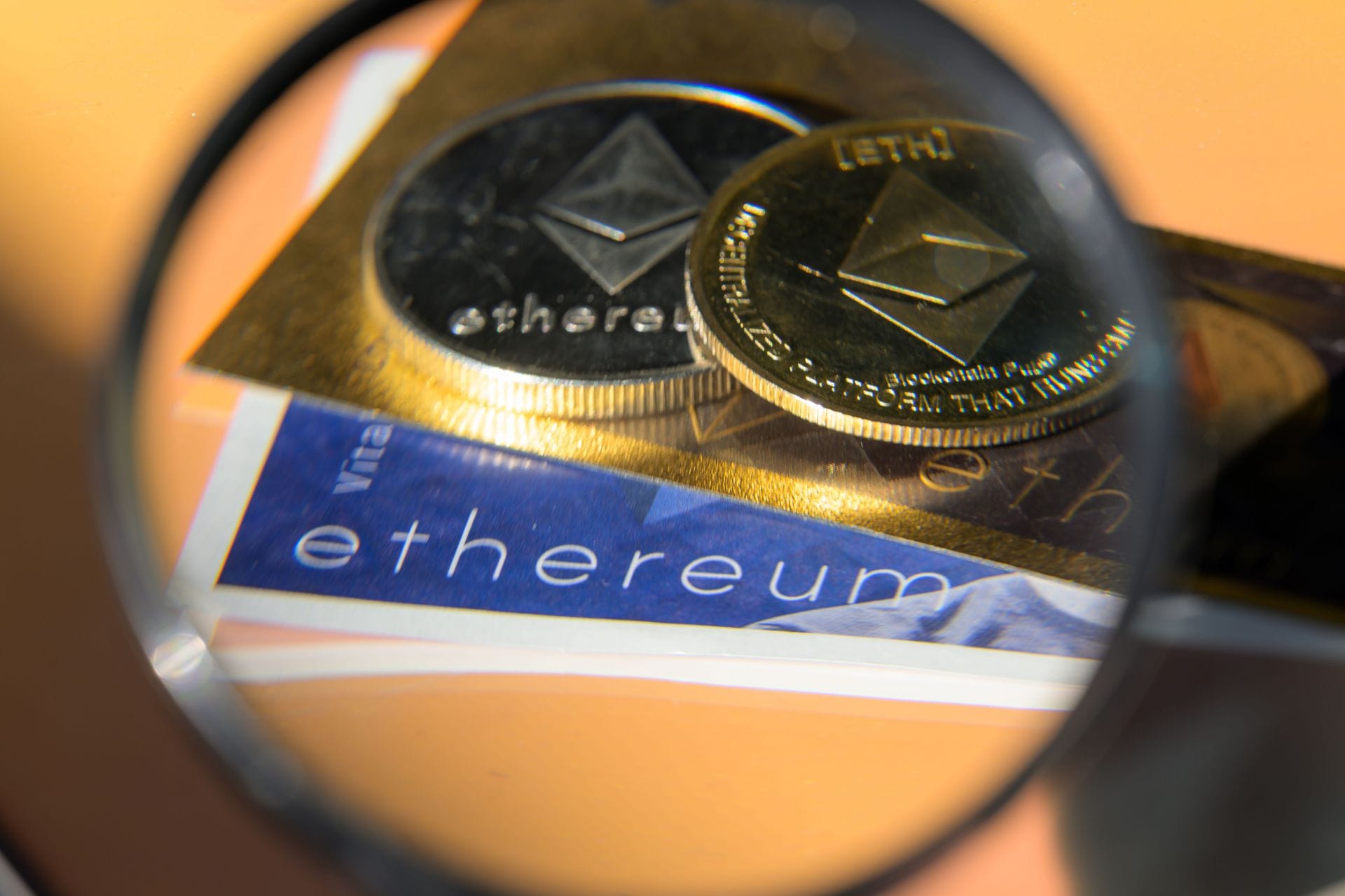
An altcoin is any digital coin other than Bitcoin. At present, there are a large number of altcoins in the crypto market. They are created based on the Bitcoin concept to improve some features or tackle certain problems. Ethereum (ETH), Solana, and Cardano are some examples of altcoins.
Why altcoins were born
Altcoins are trying to eliminate the deficiencies of Bitcoin in:
- Processing speeds for transactions that occur
- Lower fees
- Smart Contract Functionality
- More energy-efficient systems
Bitcoin vs. altcoins: The difference
1) Objective and utility
Bitcoin is more of a digital money and a store of value, whereas altcoins tend to be application-based or more specialized. These applications include things like DeFi, NFTs, games, and international payments.
2) Technology
Bitcoin is a Proof of Work network, which is mined. Many altcoins work on Proof of Stake or other complex consensus algorithms that try to be faster and more energy-efficient.
3) Supply and economics
Bitcoins
- The amount is limited, therefore a scarce resource.
Altcoins
They could have :
- A fixed supply
- A capped but expandable supply
- An unlimited supply
This impacts how each cryptocurrency performs in relation to time.
4) Risk and volatility
Bitcoin is viewed as less risk-laden in comparison to altcoins, given its history, as well as being more secure. Altcoins pose both growth possibilities for investment as well as risk.
5) Market dominance
Currently, the biggest portion of the total cryptocurrency market is dominated by Bitcoin. Altcoins make up the other percentage of the total. Some altcoins have become favorite alternatives during periods of market growth referred to as altcoin seasons. As of now, in terms of market dominance, Bitcoin wins the "Bitcoin vs. altcoins" debate.
Bitcoin vs. altcoins: What is best?
Understanding cryptocurrencies requires learning the difference between Bitcoin and altcoins. Knowing this will certainly help you make informed decisions.
Bitcoin could be of interest to those seeking a stable, long-term investment or as a hedge against the effects of inflation. Altcoins could gain the attention of users who believe in certain technological ideas or get involved with innovation. While altcoins lead in everything pertaining to innovation, Bitcoin is foundational to the cryptocurrency market.
For a beginner who wants to enter the digital asset market, altcoins are necessary. However, it is important to do one's own research before getting involved with any form of cryptocurrency.


