
'%20x='0'%20y='0'%20height='100%25'%20width='100%25'%20%0A%20%20%20%20%20%20%20%20%20%20xlink%3Ahref='data:image/jpg;base64,/9j/2wBDAAYGBgYHBgcICAcKCwoLCg8ODAwODxYQERAREBYiFRkVFRkVIh4kHhweJB42KiYmKjY+NDI0PkxERExfWl98fKf/2wBDAQYGBgYHBgcICAcKCwoLCg8ODAwODxYQERAREBYiFRkVFRkVIh4kHhweJB42KiYmKjY+NDI0PkxERExfWl98fKf/wgARCAAHAAoDASIAAhEBAxEB/8QAFgABAQEAAAAAAAAAAAAAAAAAAAMG/8QAFQEBAQAAAAAAAAAAAAAAAAAABQb/2gAMAwEAAhADEAAAANhEmVv/xAAfEAADAAEDBQAAAAAAAAAAAAABAgMEAAUxERIicZH/2gAIAQEAAT8Ahg7UuYqJtcig7zQrKa+I9nnVdjwGrQzfohYlQZ8D7r//xAAbEQEAAAcAAAAAAAAAAAAAAAACAAEDESEiMf/aAAgBAgEBPwA0jNtXW2ex/8QAGREAAQUAAAAAAAAAAAAAAAAAAgABERIh/9oACAEDAQE/ALkONC//2Q=='%3E%3C/image%3E%3C/svg%3E)

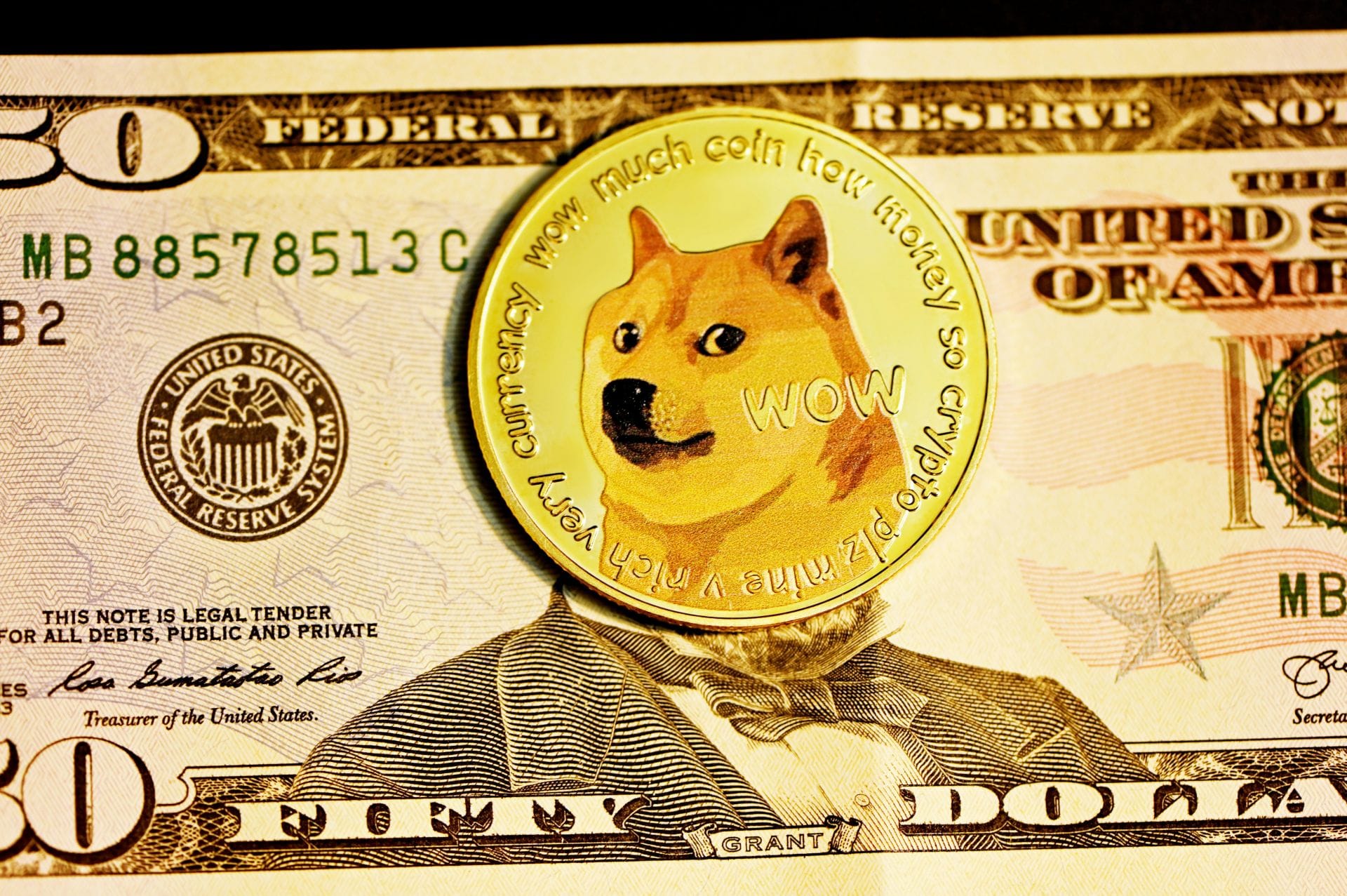
Memecoins were born out of a joke aimed at mocking the wild crypto speculation in the market in 2013. Based on the Shiba Inu dog, DOGE became the precursor to what would, over the next decade, become one of the most culturally interesting trends in crypto.
When DOGE was invented, it hadn't been thought of in terms of its crypto utility or the value it would eventually hold; it was born out of fun. However, it ended up introducing meme culture to the world of cryptos in a big way.
That said, here's everything you need to know about the rise of memecoins as cultural tokens.
Note: Crypto investments involve significant risk. Do not take the views mentioned here as financial advice. Please conduct thorough research before making any investment.
 Trending
What fuelled the culture of memecoins
The growth of memecoins was not an accident; rather, multiple factors aligned perfectly to give rise to this phenomenon. Firstly, the fast internet culture fuelled the rise of these coins. With fast internet readily available, new memes or trends started emerging by the minute and quickly became viral. Once this happened, someone thought about cashing in on that virality by creating a meme-based coin.

The second factor that pushed meme-based coins was the availability of accessible on-chain creation tools. Thirdly, it was the rise of a generation of people who started to be associated with memes the same way most people associate with their favourite football club or rock band. Memecoins were, therefore, not irrational, but cultural tokens for these kinds of communities.
What is the memecoin token culture?
Culture is first, utility is second
For all tokens other than memecoins, their utility – whether it is to be a store of value, a project that offers L1 scalability, or some other real-world utility – decides their value. However, with meme-based coins, the value was not utility-driven; it was not powered by the technical soundness of the project or any community debates, but rather by the meme's cultural relevance.
Community-first model
For all crypto tokens the community develops, people start advocating for the project only after it creates value. However, in the case of meme-based coins, it is just the reverse: the community is already there and is ready to support them simply because of what those memes mean on a cultural level. For example, the support for the $LATINA and $BLOND coins came from advocates of women leaders and champions, rather than the utility of those tokens.
Growth of creator-made tokens
Memecoins are fueled by attention and community support. Today, social media content creators, be they TikTok stars or game streamers, have huge audiences and community support, so they issue meme-based coins as an extension of their personalities. One example of such a coin is the RAC, launched by a musician of the same name to engage his fan community.
How big is the memecoin market?
Today, the memecoin market is big, and some of the statistics mentioned below will reflect the scale of this growth.
Today, Dogecoin's market cap is around $15 billion. As of the first quarter of 2025, the total cap for memecoins stood at $54 billion. At their peak, they became a major part of the crypto economy, and in 2024, meme-based coins (excluding BTC/ETH) were ~11% of “other crypto” by cap.


