
'%20x='0'%20y='0'%20height='100%25'%20width='100%25'%20%0A%20%20%20%20%20%20%20%20%20%20xlink%3Ahref='data:image/jpg;base64,/9j/2wBDAAYGBgYHBgcICAcKCwoLCg8ODAwODxYQERAREBYiFRkVFRkVIh4kHhweJB42KiYmKjY+NDI0PkxERExfWl98fKf/2wBDAQYGBgYHBgcICAcKCwoLCg8ODAwODxYQERAREBYiFRkVFRkVIh4kHhweJB42KiYmKjY+NDI0PkxERExfWl98fKf/wgARCAAGAAoDASIAAhEBAxEB/8QAFgABAQEAAAAAAAAAAAAAAAAAAAUH/8QAFAEBAAAAAAAAAAAAAAAAAAAAAP/aAAwDAQACEAMQAAAA0iuH/8QAIhAAAQMDAwUAAAAAAAAAAAAAAgEDBAAGEgUHIRETJUFi/9oACAEBAAE/ANXtC8whTwh3fLxV5lWc3Ohki8HmSDx8oNRtR3KjxmGfAOdtsQzNZCmWPsq//8QAFhEBAQEAAAAAAAAAAAAAAAAAAQBB/9oACAECAQE/AADL/8QAFhEBAQEAAAAAAAAAAAAAAAAAAQBR/9oACAEDAQE/AFdb/9k='%3E%3C/image%3E%3C/svg%3E)

The AMD Ryzen 7 9800X3D continues to rank among the most popular and powerful CPUs in 2025. It's based on the latest Zen 5 architecture and packs a massive 3D V-cache to benefit single-core-heavy workloads like gaming. You get some of the lowest 0.1% and 1% low numbers, which translates to a smooth experience across the board.
To properly utilize the chip, however, you'll need a high-end graphics card. In this article, we have listed some of the best options to consider in late 2025 and early 2026.
Multiple high-end gaming GPUs can be effortlessly paired with the AMD Ryzen 7 9800X3D
1) AMD Radeon RX 9070 XT
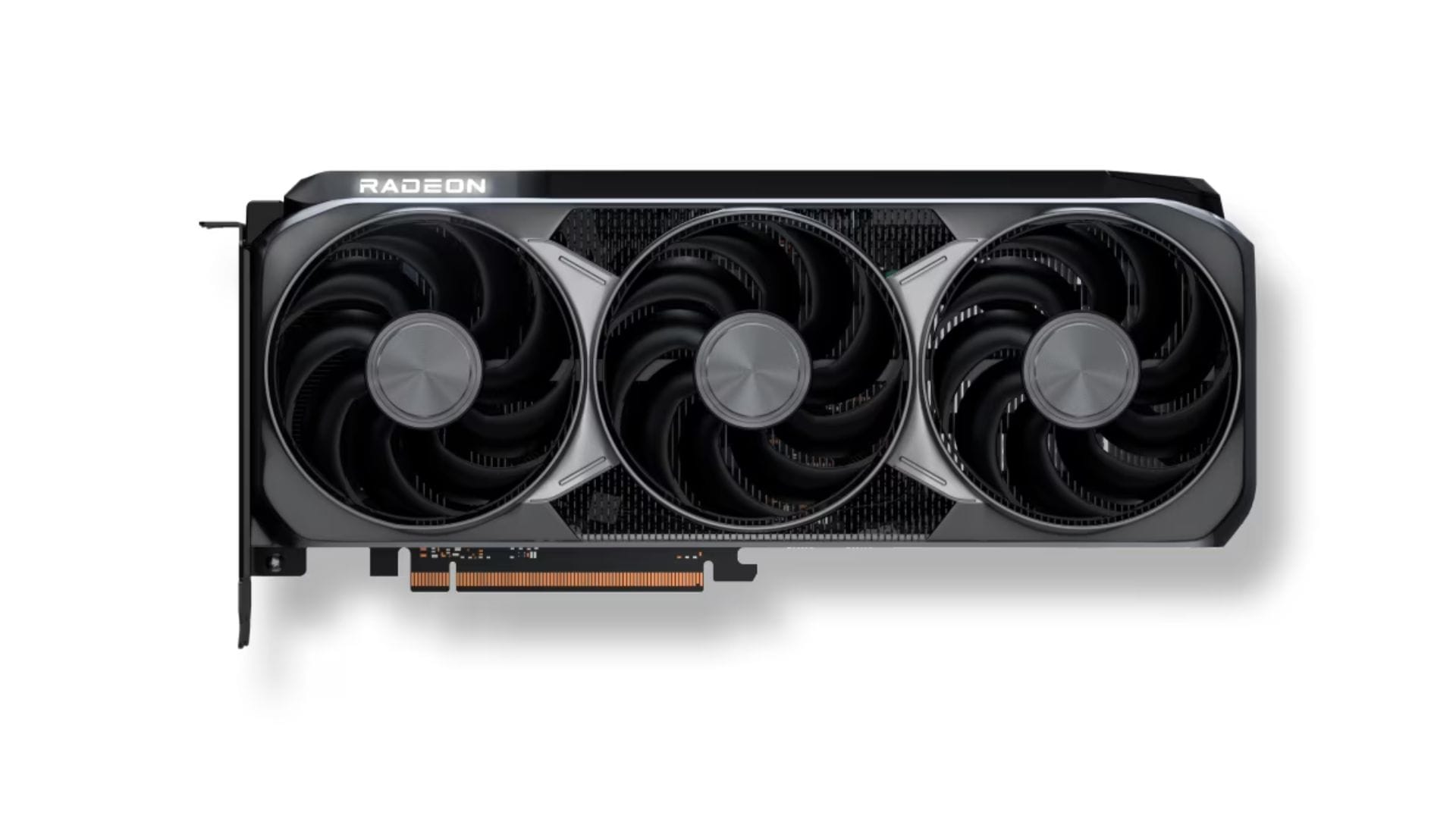
The AMD Radeon RX 9070 XT is the highest-end current-gen offering from Team Red. If you're looking for strong rasterization performance fit for 1440p and 4K gaming, this is the way to go. Moreover, you also get support for FSR 4, which launches on December 10. This brings Fluid Motion Frames (AFMF), improved upscaling quality, and more.
 Trending
The GPU is based on the flagship Navi 48 graphics chip with 4,096 Shading Units, 256 Texture Mapping Units (TMUs), and 64 RT cores. Despite bundling 16 GB of GDDR6 video memory, the card is based on the older 20 Gbps GDDR6 standard, which limits overall bandwidth to 644 GB/s.
Pros
- Near-top raster (non-RT) performance under $600.
- 16 GB VRAM + 256-bit bus supports high-res gaming well.
- Power efficiency & thermals improved over prior-gen mid/high GPUs.
Cons
- Ray tracing & upscaling ecosystem is still weaker vs Nvidia counterparts.
- In GPU-heavy creator / compute tasks, it lags behind equivalents from Nvidia.
2) Nvidia GeForce RTX 5070 Ti
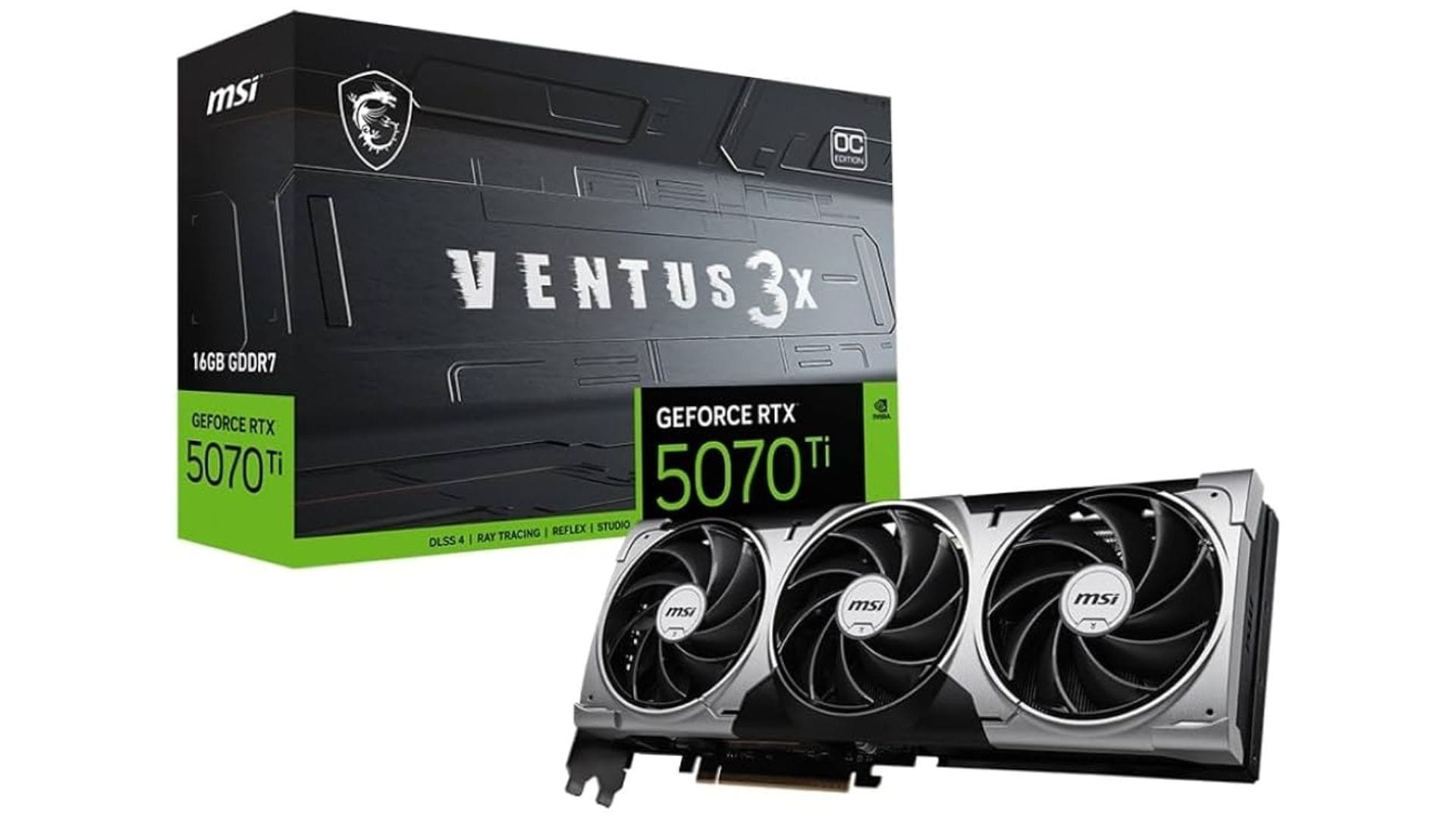
The Nvidia RTX 5070 Ti is a decent mid-premium option for the Ryzen 7 9800X3D. The card was launched for high-end 1440p and 4K gaming, with 16 GB of GDDR7 video memory pushing for decent future proofing. The 9800X3D is adequate for the GPU, ensuring zero bottlenecks in even the most CPU-heavy games and workloads. Moreover, Multi-Frame Generation helps ensure playable framerates even at 4K.
In terms of the underlying hardware, you get the GB203 graphics chip, which is slightly cut down from the flagship GB202 powering the 5090. Note that it's the same graphics chip as in the 5080. You also get 16 GB of 30 Gbps GDDR7 video memory on a 256-bit bus, resulting in a 896 GB/s memory bandwidth. This helps improve rendering performance over the RX 9070 XT.
Pros
- Strong balance of price-to-performance.
- Faster than the 4070 and 4080 GPUs.
- Good for 1440p/4K gaming when paired with the Ryzen 7 9800X3D.
Cons
- As a mid/high-tier GPU, it's still behind true “flagship” cards.
- Less VRAM/memory-bandwidth headroom than top-tier cards limits future-proofing.
- Value gain over cheaper RTX 5070 and RX 9070 XT is sometimes marginal.
3) Nvidia GeForce RTX 4080 Super
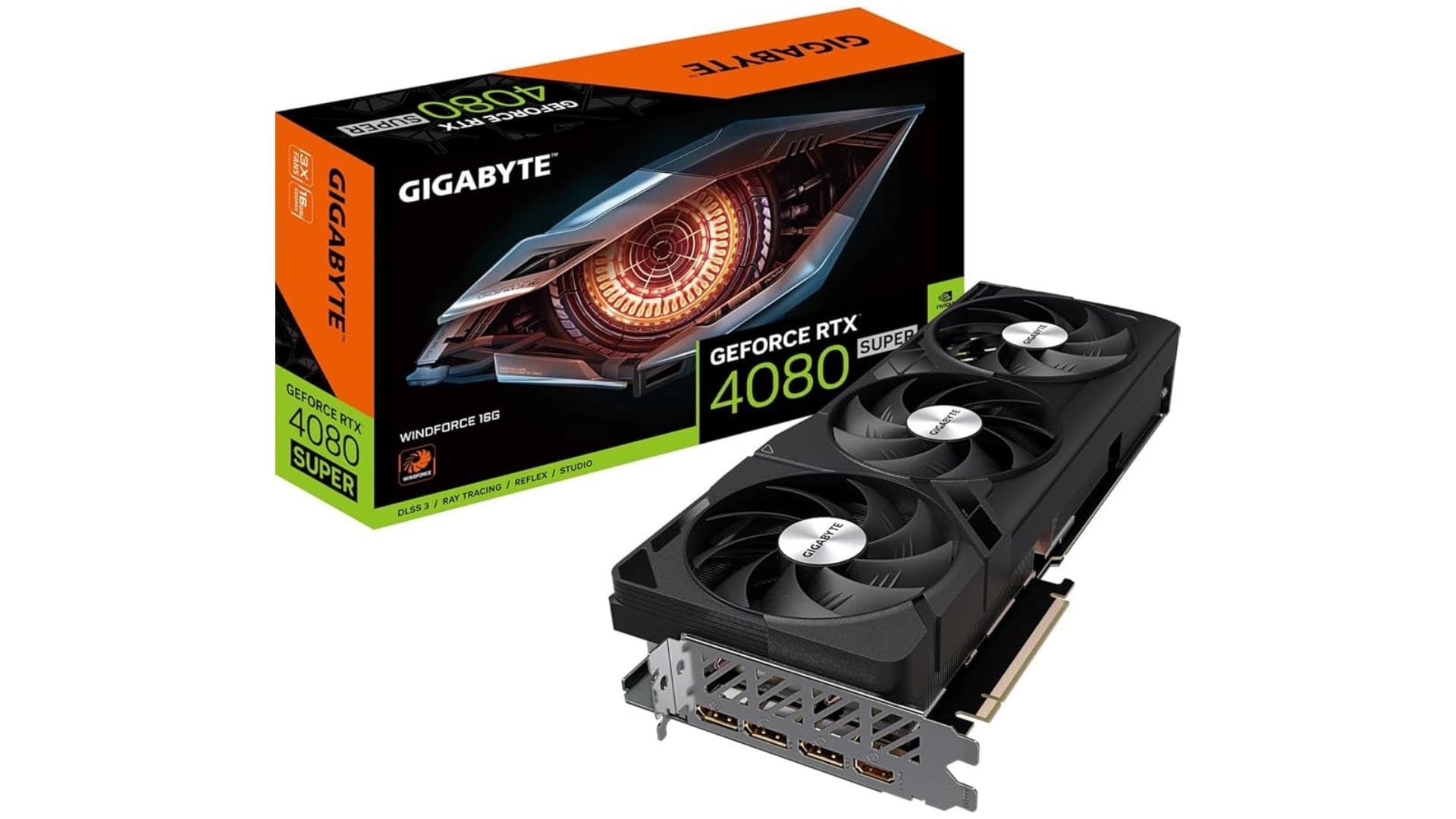
Despite being a generation old, the Nvidia RTX 4080 Super continues to be a superb option for 4K gaming at the highest settings, especially when paired with a capable CPU like the Ryzen 7 9800X3D. While the card initially launched at $999, you can grab it for much cheaper in the second-hand market these days. Still, expect a solid premium as the GPU was designed for high-end systems.
In terms of the on-paper specs, you get the fully maxed-out AD103 graphics chip on the card. The biggest drawback is the lack of DLSS Multi-Frame Generation, which prevents the GPU from hitting 200+ FPS in every game you throw at it. However, you still get sky-high framerates without exception, placing your system among the fastest in the market.
Pros
- Strong all-around 4K and 1440p raster + ray-tracing performance.
- Stable drivers, broad support, high compatibility.
Cons
- Price-to-performance and availability start looking less competitive post-50-series launch.
- Falls short on memory-bandwidth and future-proofing (VRAM & bus).
- For heavy RT + AI workloads, limited headroom compared to 50-series GPUs.
4) Nvidia GeForce RTX 5080
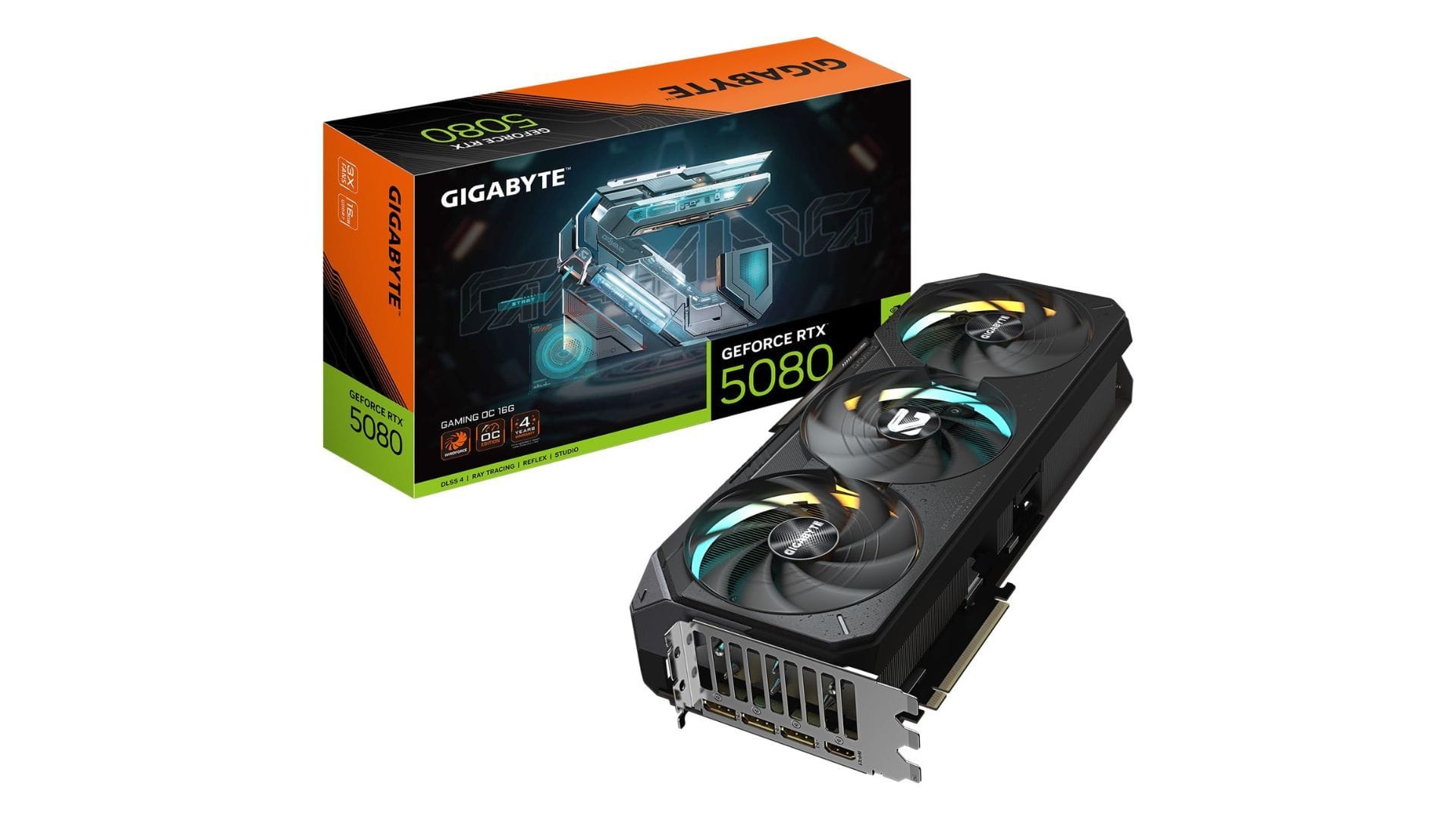
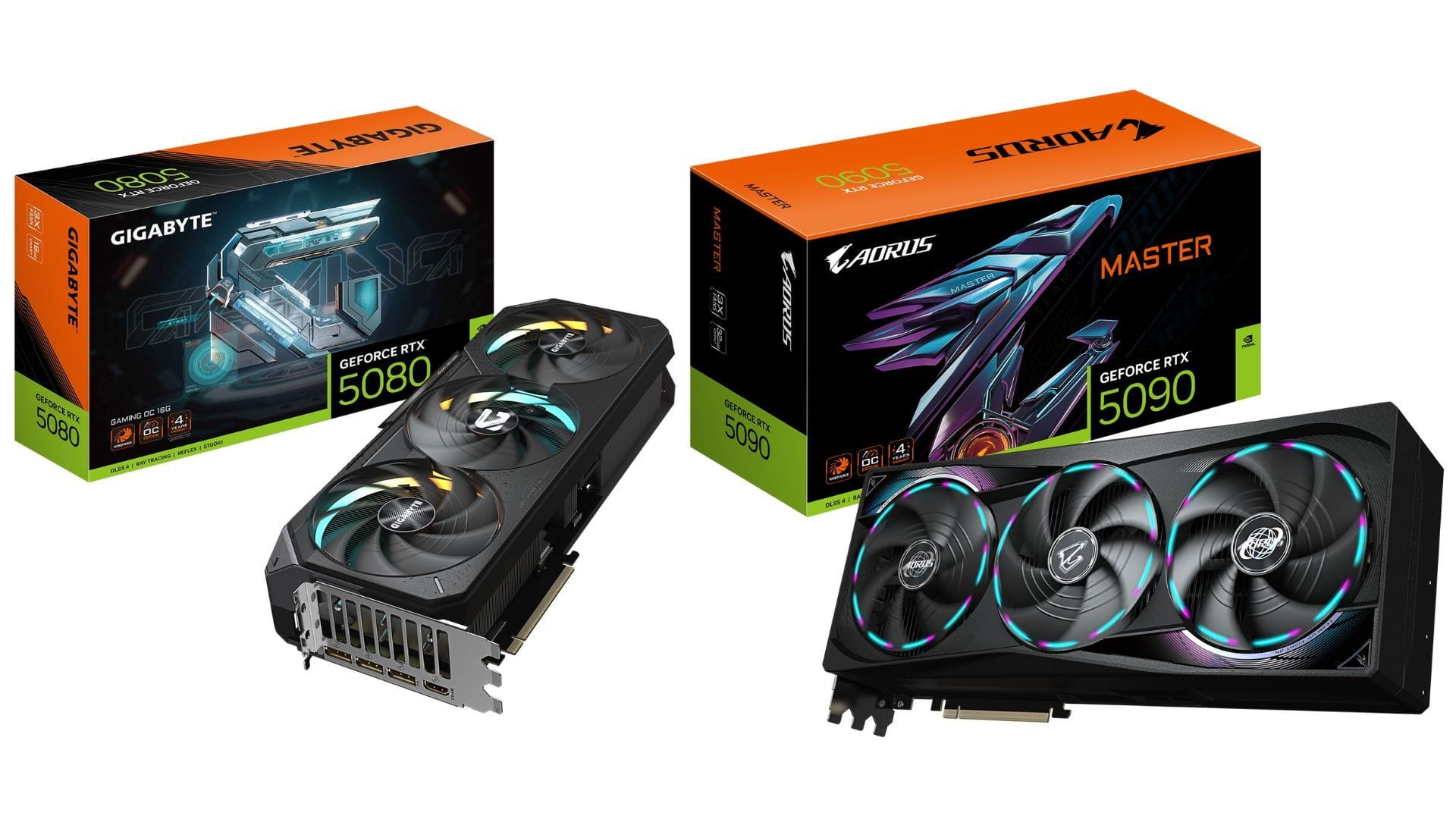
The Nvidia RTX 5080 is another well-rounded graphics card for the AMD Ryzen 7 9800X3D. It's a premium offering, however, costing $999 for the cheapest variants. This makes it suitable for systems targeting the $2000-2500 price point. You get superb 4K gaming performance when paired with the X3D chip, and together, the system will easily rank among the fastest in the market.
The latest Blackwell-based GB203 graphics chip delivers about 10-11% better performance than the 4080 Super. You get 10,752 CUDA cores, a modest improvement over the last generation. iterative bumps have also been made to the SM and RT core count (84 each). Overall, the 5080 refines the standard established with the last generation.
Pros
- Delivers performance close to prior-gen flagship (≈ 4090) at lower MSRP.
- Efficient 16 GB GDDR7 + modern architecture.
- Good balance of strong raster and RT for most AAA titles.
Cons
- Gains over previous-gen (or 4080-class) are modest at ~10%.
- 16 GB VRAM might become limiting for future heavy texture / open-world games.
5) Nvidia GeForce RTX 5090
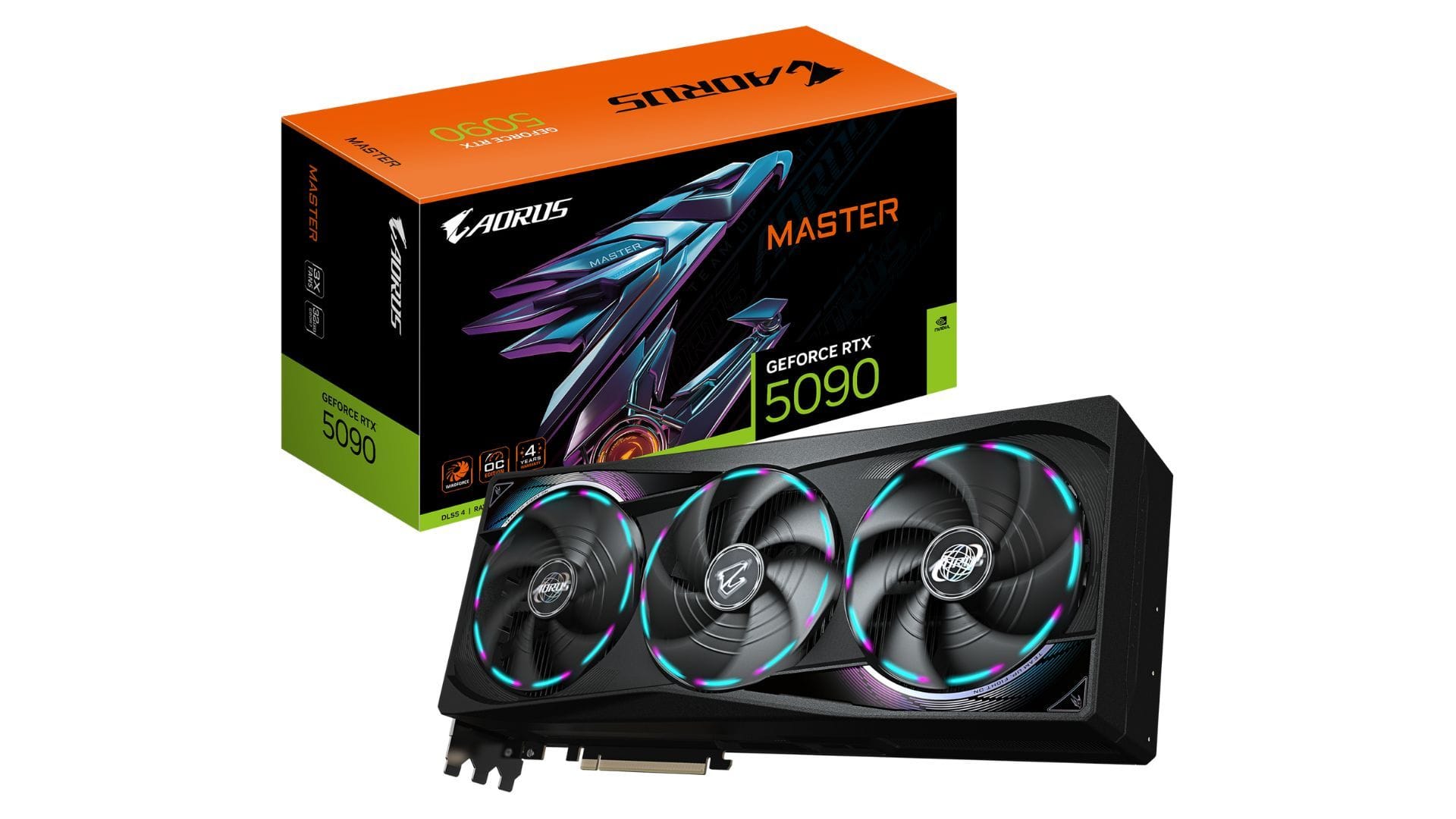
The Nvidia RTX 5090 is the fastest gaming GPU on the market. It can be easily paired with the Ryzen 7 9800X3D without any bottlenecks, given the single-core capabilities and extra cache in the chip. With the 5090, expect flawless gaming performance at 4K without compromises, as most games run at perfect framerates with DLAA turned on. The GPU won't be easy on your pocket, however, with even the cheapest options starting at $2,000.
In terms of the underlying hardware, the RTX 5090 is an absolute behemoth. You get the flagship 750 mm² GB202 graphics chip with 21,760 CUDA, 680 Tensor, and 170 RT cores. The card is bundled with 96 MB of L2 cache. Moreover, the massive 32 GB VRAM buffer coupled with a 512-bit memory bus and 28 Gbps bandwidth translates to a 1.79 TB/s bandwidth. This hardware makes the GPU overkill for any video game, meaning sky-high framerates at native 4K.
Pros
- Top-end GPU: ~25–35% faster than prior-gen flagship in many 4K benchmarks.
- 32 GB GDDR7 + wide 512-bit bus ensures future-proofing.
- Great for ray tracing, AI features, high-resolution / high-FPS gaming.
Cons
- Very high price at $2,000.
- High power draw and thermal output increase overall build cost.
Overall, these are some of the top options for the Ryzen 7 9800X3D in late 2025 and early 2026. Most of these GPUs are from Nvidia, as the company rules the high-end market. While AMD is competitive in the entry-level and mid-range with the 9070 and 9060 cards, they don't have any alternative to the 5080 and 5090, GPUs the 9800X3D is built for.


