
'%20x='0'%20y='0'%20height='100%25'%20width='100%25'%20%0A%20%20%20%20%20%20%20%20%20%20xlink%3Ahref='data:image/jpg;base64,/9j/2wBDAAYGBgYHBgcICAcKCwoLCg8ODAwODxYQERAREBYiFRkVFRkVIh4kHhweJB42KiYmKjY+NDI0PkxERExfWl98fKf/2wBDAQYGBgYHBgcICAcKCwoLCg8ODAwODxYQERAREBYiFRkVFRkVIh4kHhweJB42KiYmKjY+NDI0PkxERExfWl98fKf/wgARCAAGAAoDASIAAhEBAxEB/8QAFQABAQAAAAAAAAAAAAAAAAAAAAX/xAAVAQEBAAAAAAAAAAAAAAAAAAACBP/aAAwDAQACEAMQAAAArXCk/wD/xAAhEAACAgEEAgMAAAAAAAAAAAABAgMEBgAREyIFEiEjMf/aAAgBAQABPwDGqGQM3kK6WV4ZZ/WYGzKCftPZdh8Eap47ktWpWrvfjdookRn55exUbb/mv//EABkRAAEFAAAAAAAAAAAAAAAAAAABAgQ0cv/aAAgBAgEBPwCbZXDT/8QAGBEAAgMAAAAAAAAAAAAAAAAAAAEDM3L/2gAIAQMBAT8AiqWmf//Z'%3E%3C/image%3E%3C/svg%3E)

The Nvidia RTX 5080 is among the fastest gaming GPUs in the market. It's designed for 4K gaming with little to no compromises. However, you'll need a beefy CPU and at least 32 GB of DDR5 RAM to fully utilize the graphics card's potential. With chip prices on the rise, now is the best time to get yourself an upgrade, as they might not be as cheap for quite some time. That said, both Intel and AMD have decent offerings to choose from, with Team Blue's chips mostly being the value alternatives, as AMD owns the performance crown.
In this article, we have listed the best chips to consider if you're building a system based on the RTX 5080.
Multiple mid-range and high-end CPUs pair well with the Nvidia RTX 5080
1) AMD Ryzen 7 9800X3D
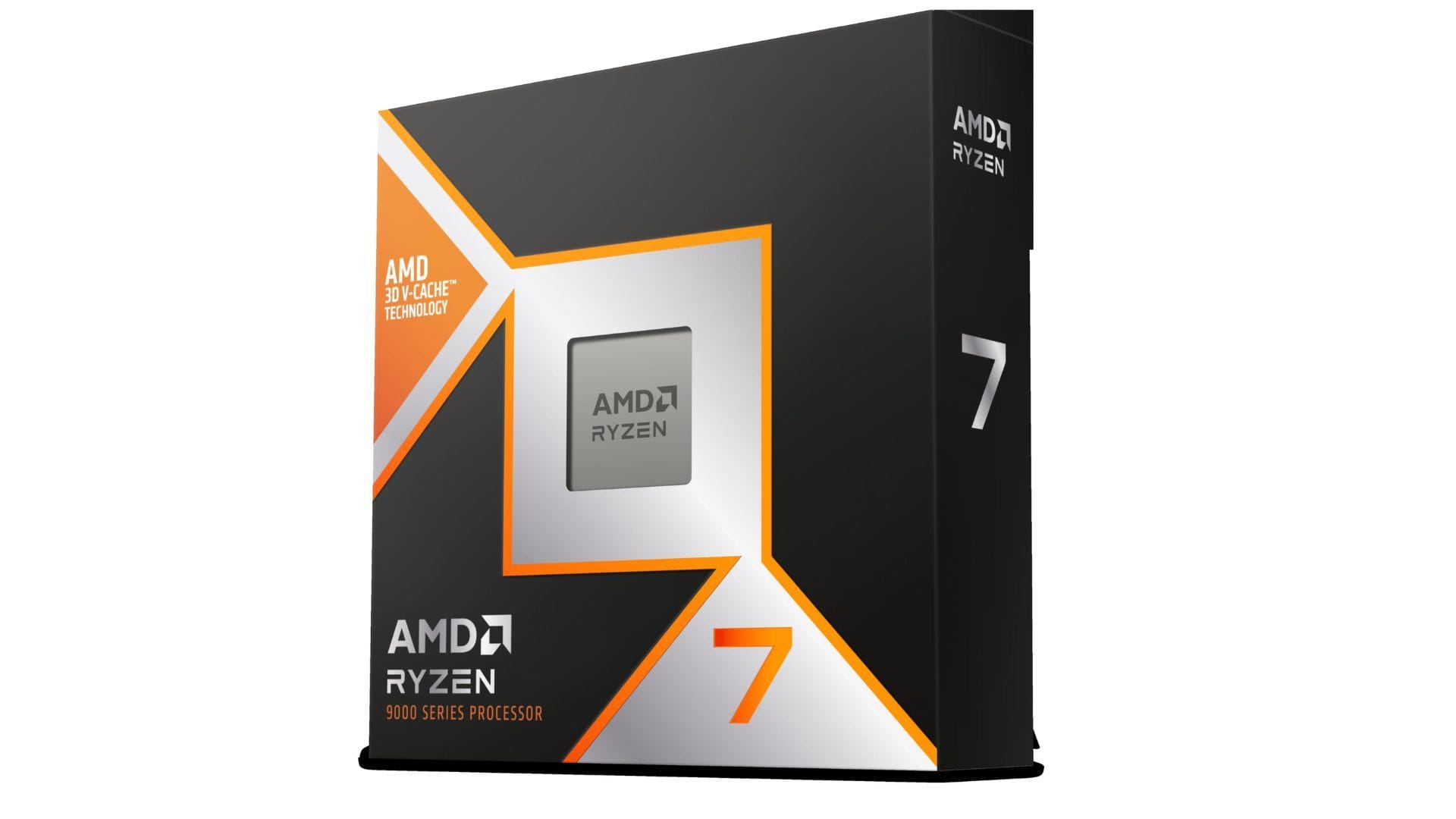
The AMD Ryzen 7 9800X3D is the undeniable king of gaming CPUs in late 2025. With ample 3D V-cache, it ranks among the fastest chips you can buy today. The improved single-core capabilities of Zen 5, AMD has geared this chip specifically towards gaming without compromises. Given its price point, this makes the processor a must-buy if you're building with the RTX 5080.
 Trending
In terms of the underlying hardware, this chip still packs eight cores and sixteen threads, typical of any Ryzen 7 offering. The processor boosts high, like other Ryzen 9000 chips. With base clocks of 4.7 GHz and boost speeds of 5.2 GHz, the chip is well-positioned to maintain decent 0.1% low and 1% low numbers with the RTX 5080. However, given the mid-premium positioning of the chip, you get a 120W thermal profile, which helps keep power requirements modest.
Pros
- Tops gaming CPU charts in 2025 across many titles.
- Large 3D V-cache means high 1% low times in video games.
- Runs cooler than older X3D chips.
Cons
- Only 8 cores despite the premium price.
- Less future-proof for workloads like rendering and encoding.
2) AMD Ryzen 9 9950X3D
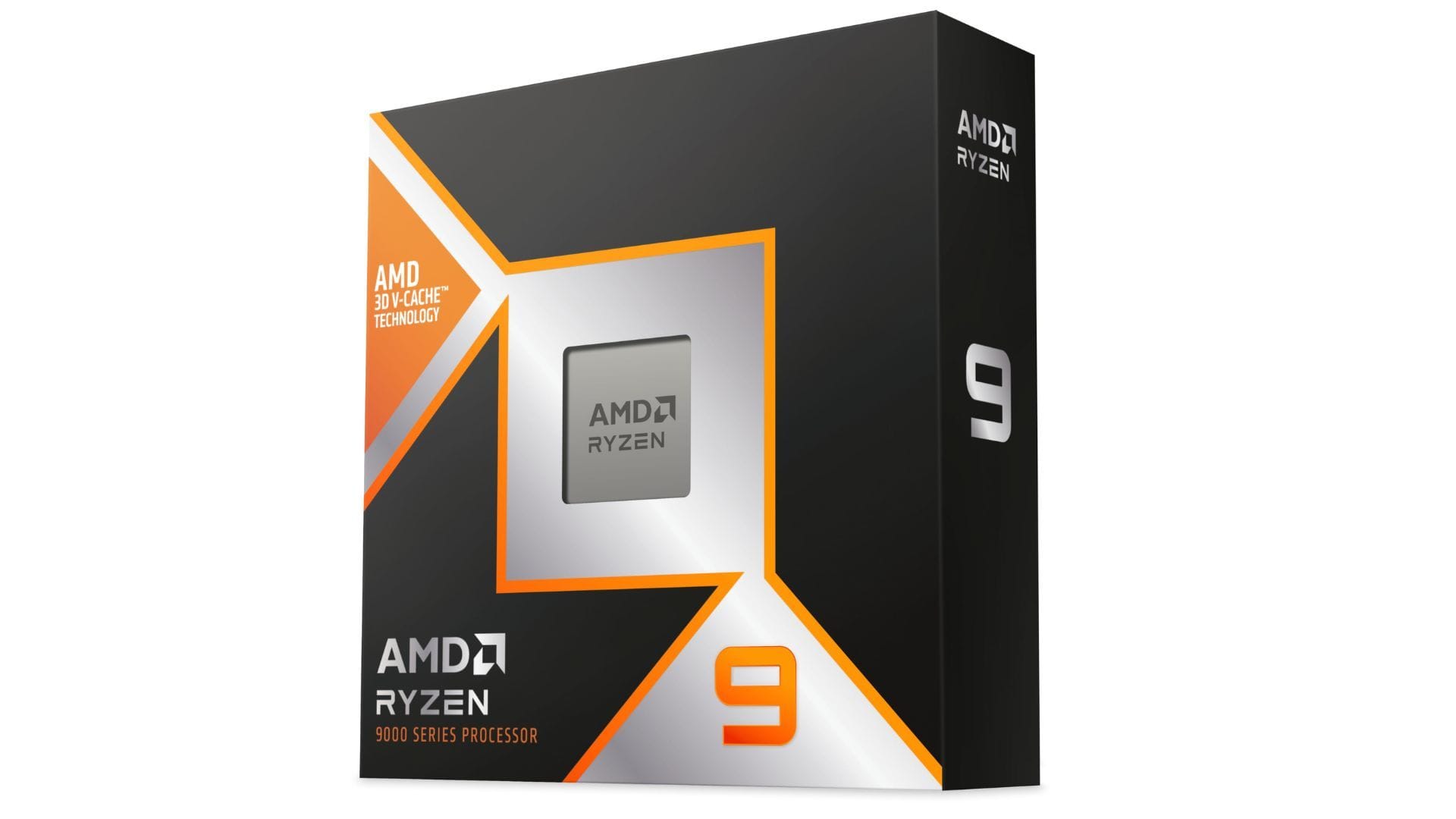
A couple of positions up the Ryzen 9000 ladder, you get the 9950X3D, another capable high-end gaming CPU that's designed for high-end gaming systems with the RTX 5080. The chip focuses on hybrid gaming and workstation systems, and sits just a level below the Threadripper 9960X, albeit at a much lower price point. Do note you'll only notice any tangible differences over a 9800X3D if you have proper productivity workloads like rendering, simulation, or AI.
The Ryzen 9 9950X3D bundles 16 cores and 32 threads under the hood. Operating clock speeds are among the highest in the market, with base speeds of 4.3 GHz and boost clocks of 5.7 GHz. The chip has 144 MB of combined L2+L3 cache, which is a bit higher than the 9800X3D and 9900X3D. You also get a higher 170W operating power budget, maxing out the AM5 platform. Be prepared to invest in a high-quality power supply (at least 1kW) and cooler.
Pros
- Combines 3D-cache gaming performance with 16-core multitasking power.
- Excellent for GPU-heavy gaming + heavy workloads simultaneously.
- Good future-proof balance with cache and cores.
Cons
- Premium price can be prohibitively high.
- High power draw and thermal output can mandate top-tier coolers.
- For pure gaming, gains over cheaper X3D chips are marginal.
3) AMD Ryzen 9 9950X
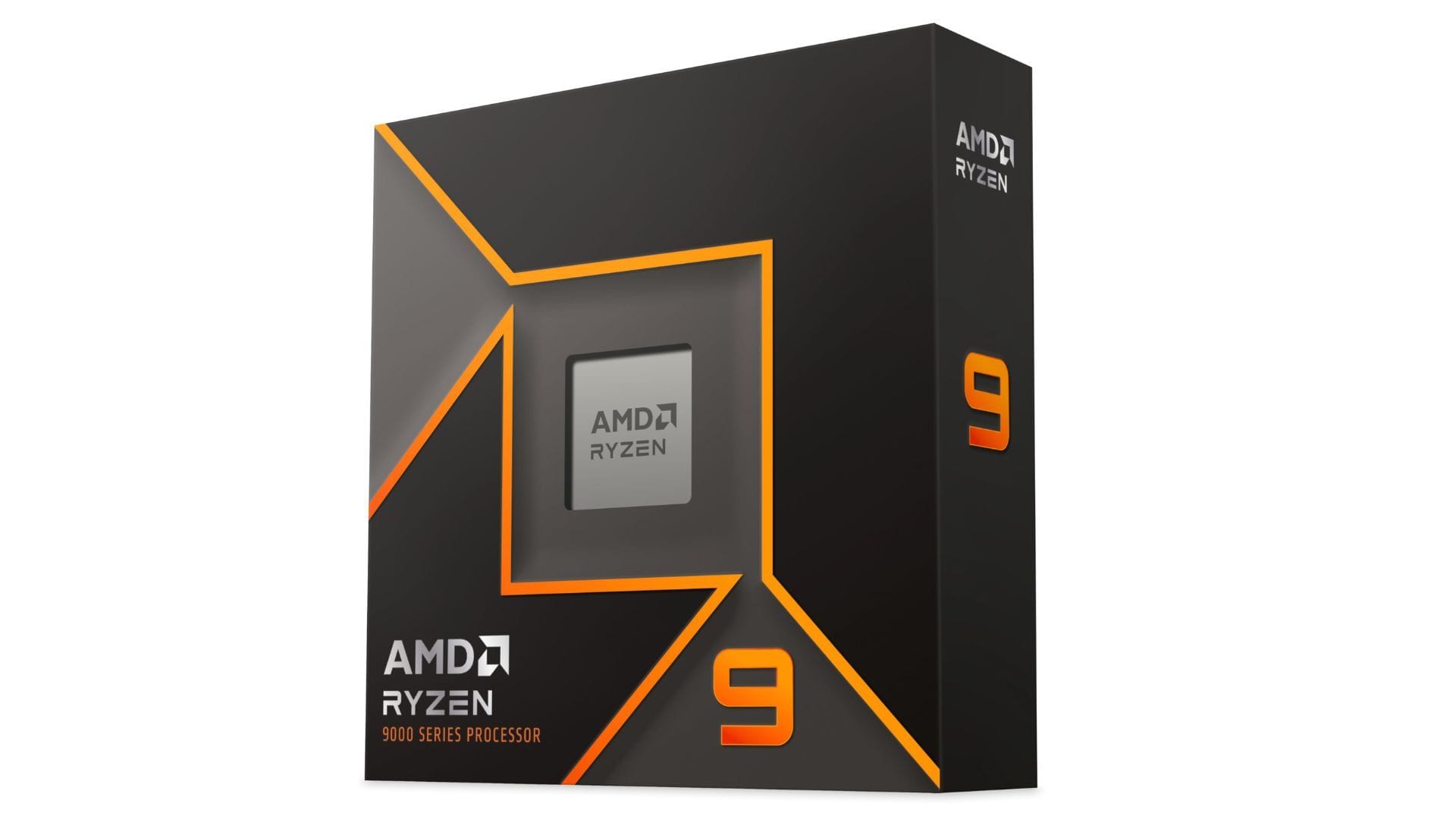
The AMD Ryzen 9 9950X comes with the same productivity focus as its X3D alternative but minus the premium price. For about as much as the 8-core 9800X3D, you can balance high-end performance with advanced gaming capabilities that let the 5080 perform to its fullest. Do note that this chip still costs $500 and could become more expensive once the Ryzen hikes take effect.
You get the same 16 cores and 32 threads with the 9950X, spread out in a dual CCX design. The difference, however, is that both core complexes can boost to 5.7 GHz, as one of them doesn't have to accommodate the 3D V-cache anymore. This means improved performance in demanding productivity apps. You still get 80 MB of L3 cache and 170W operating power budget, which are both decent for a high-end flagship-grade CPU.
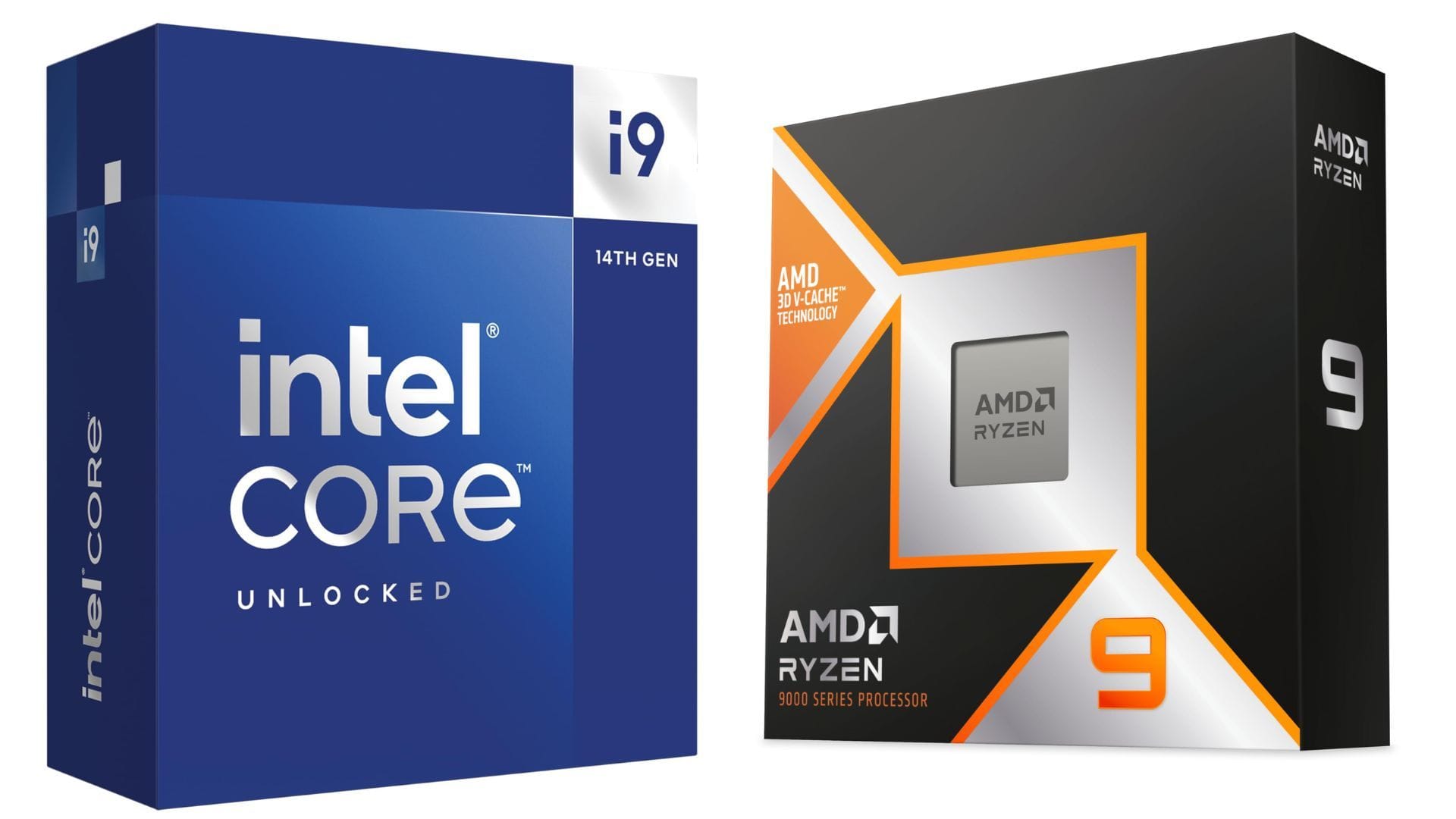
4) Intel Core i9-14900K
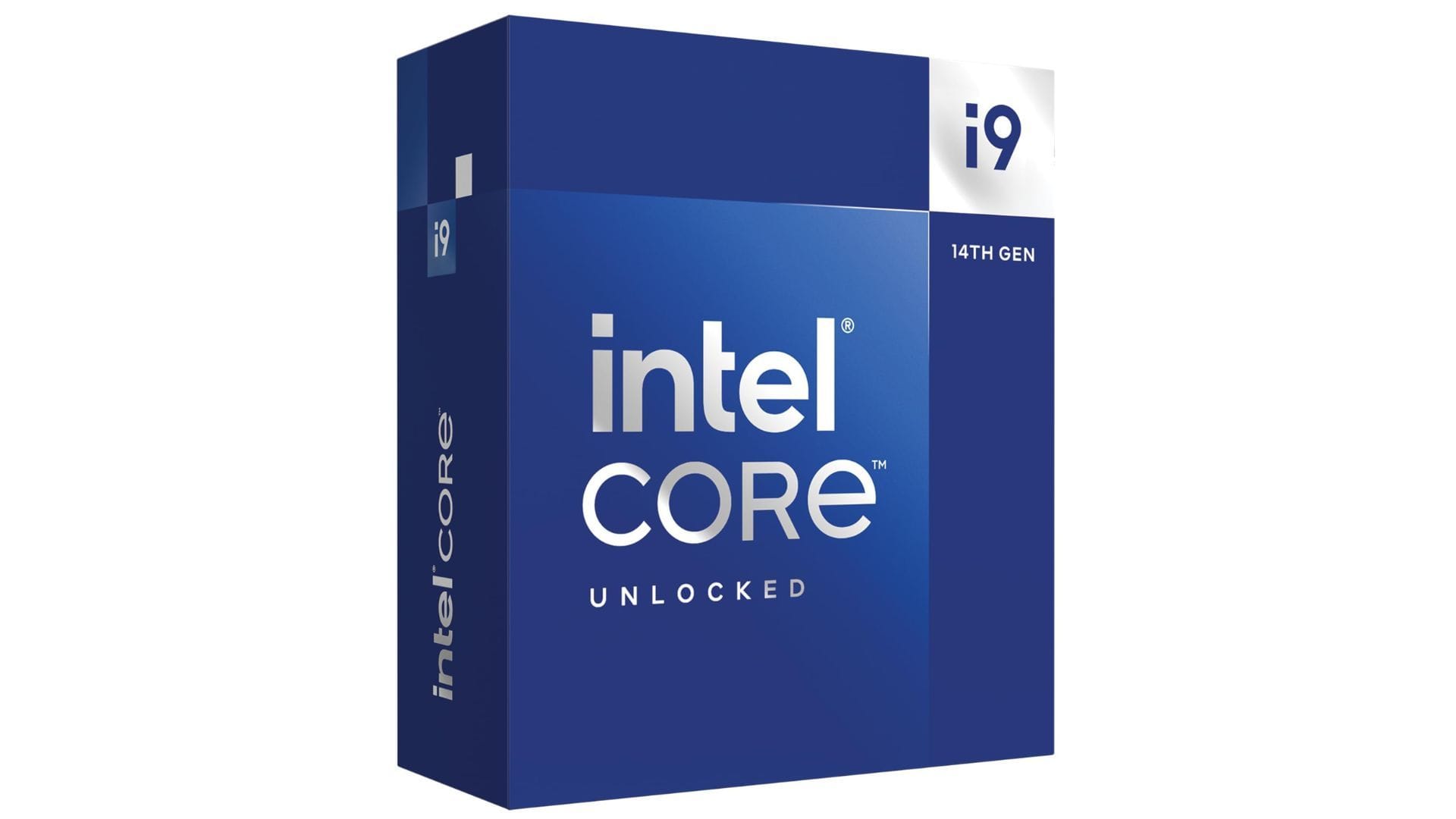
The Intel Core i9-14900K remains a popular choice for high-end PCs with GPUs like the RTX 5080, following multiple price drops Intel has offered on last-gen Raptor Lake and Raptor Lake Refresh chips. You still get much of the performance capabilities of the 9950X and 9950X3D, but at a cheaper $450 price point, making it the most affordable chip so far on this list.
In terms of the underlying hardware specs, you get 24 cores in total, bifurcated in an 8P + 16E format. While two-thirds of the cores are slower, efficient 'E' rated, the single core capabilities of the remaining eight shine in workloads like gaming on the RTX 5080 and browsing. Moreover, the hybrid monolithic design also enables the chip to be more efficient than the Ryzen alternatives, drawing 125W base but going up to 253W in select demanding workloads. You'll still need a decent power supply and coolers to manage the chip in such spikes.
5) AMD Ryzen 7 7800X3D
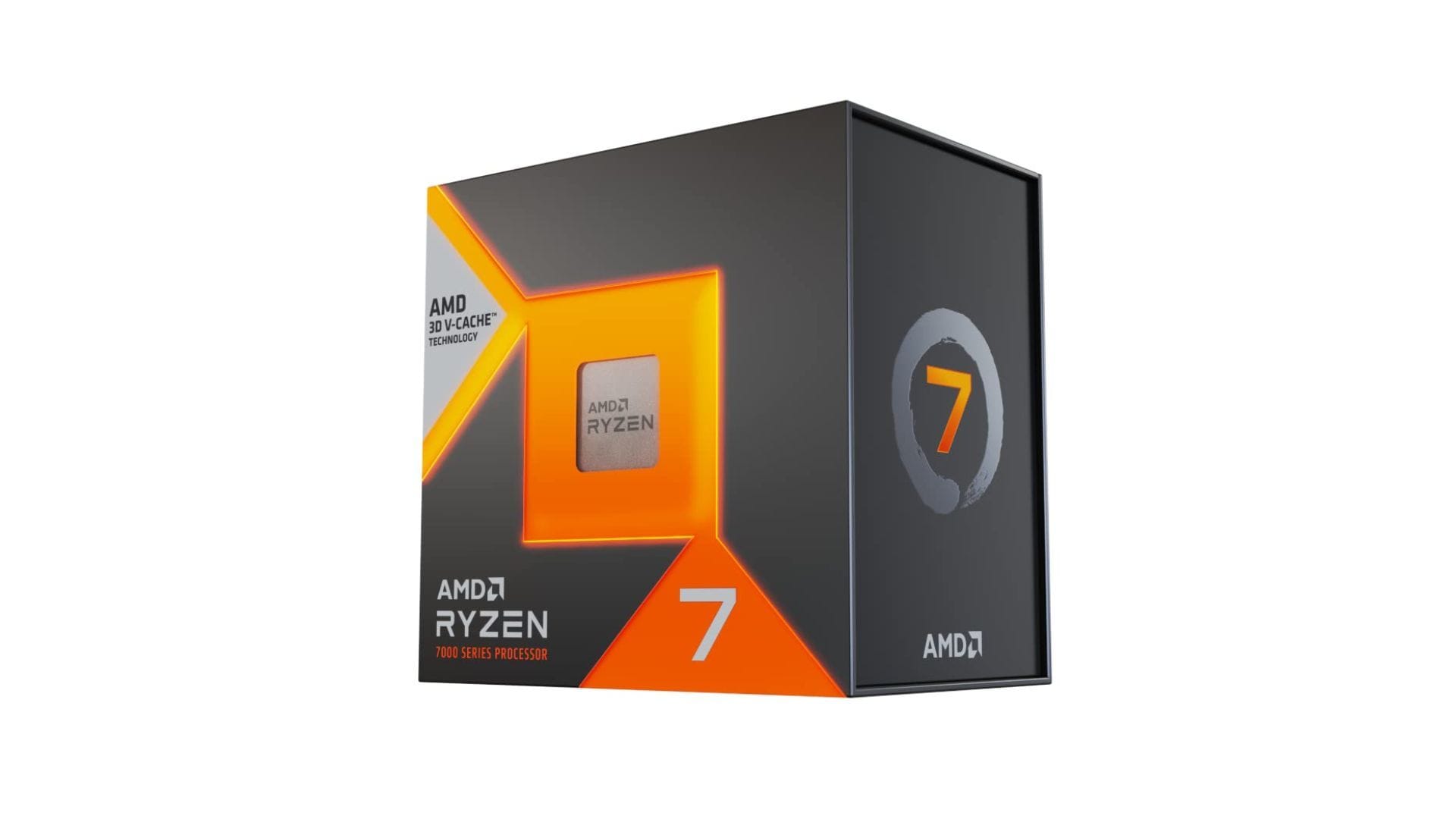
The AMD Ryzen 7 7800X3D is a last-generation chip that continues to rank among the most popular chips in the market. It was designed for gaming as well, with a $350 price point that makes it much more affordable than other high-end chips for the RTX 5080. The chip has been handsomely discounted lately, given that it has been replaced now. We spotted a few deals for as little as $310-320, making it a well-rounded mid-range option for high-end graphics cards.
The Ryzen 7 7800X3D is based on a similar profile as the newer 9800X3D. You get the same eight-core and sixteen-thread setup. However, given the older 3D V-cache technology, operating clock speeds have been significantly tuned as compared to the Ryzen 7 7700X. With a 4.2 GHz-based clock and 5 GHz boost speed, the chip draws 120W of power. This means a mid-range cooler will suffice with the RTX 5080. You get 96 MB of 3D V-cache, which is also the same as the newer offering, although it's slower than the newer 2nd-gen offering in the 9000 series chip. However, the lower price point justifies these trade-offs.
The Nvidia RTX 5080 is one of the fastest gaming GPUs in the market today. It's perfect for 4K gaming, which largely benefits from a large cache size. This makes X3D chips ideal pairs, while competing chips from Intel stand at a natural disadvantage. With the above options, the 5080 runs well without bottlenecks.


