
'%20x='0'%20y='0'%20height='100%25'%20width='100%25'%20%0A%20%20%20%20%20%20%20%20%20%20xlink%3Ahref='data:image/jpg;base64,/9j/2wBDAAYGBgYHBgcICAcKCwoLCg8ODAwODxYQERAREBYiFRkVFRkVIh4kHhweJB42KiYmKjY+NDI0PkxERExfWl98fKf/2wBDAQYGBgYHBgcICAcKCwoLCg8ODAwODxYQERAREBYiFRkVFRkVIh4kHhweJB42KiYmKjY+NDI0PkxERExfWl98fKf/wgARCAAGAAoDASIAAhEBAxEB/8QAFgABAQEAAAAAAAAAAAAAAAAAAAUH/8QAFAEBAAAAAAAAAAAAAAAAAAAABf/aAAwDAQACEAMQAAAAtaIMhf/EACEQAAICAAYDAQAAAAAAAAAAAAEDAgQABQYRMTIVIUFy/9oACAEBAAE/ALeQ6gsXV5hK3AQcAGqFl3ZbDxuODvirT1VCqiPkoelxHeR+fnH/xAAaEQEAAQUAAAAAAAAAAAAAAAABAgAEIzE0/9oACAECAQE/ALHggIOSWwa//8QAGxEBAAEFAQAAAAAAAAAAAAAAAQIABAUhIzH/2gAIAQMBAT8Av9ZCaKco+KV//9k='%3E%3C/image%3E%3C/svg%3E)

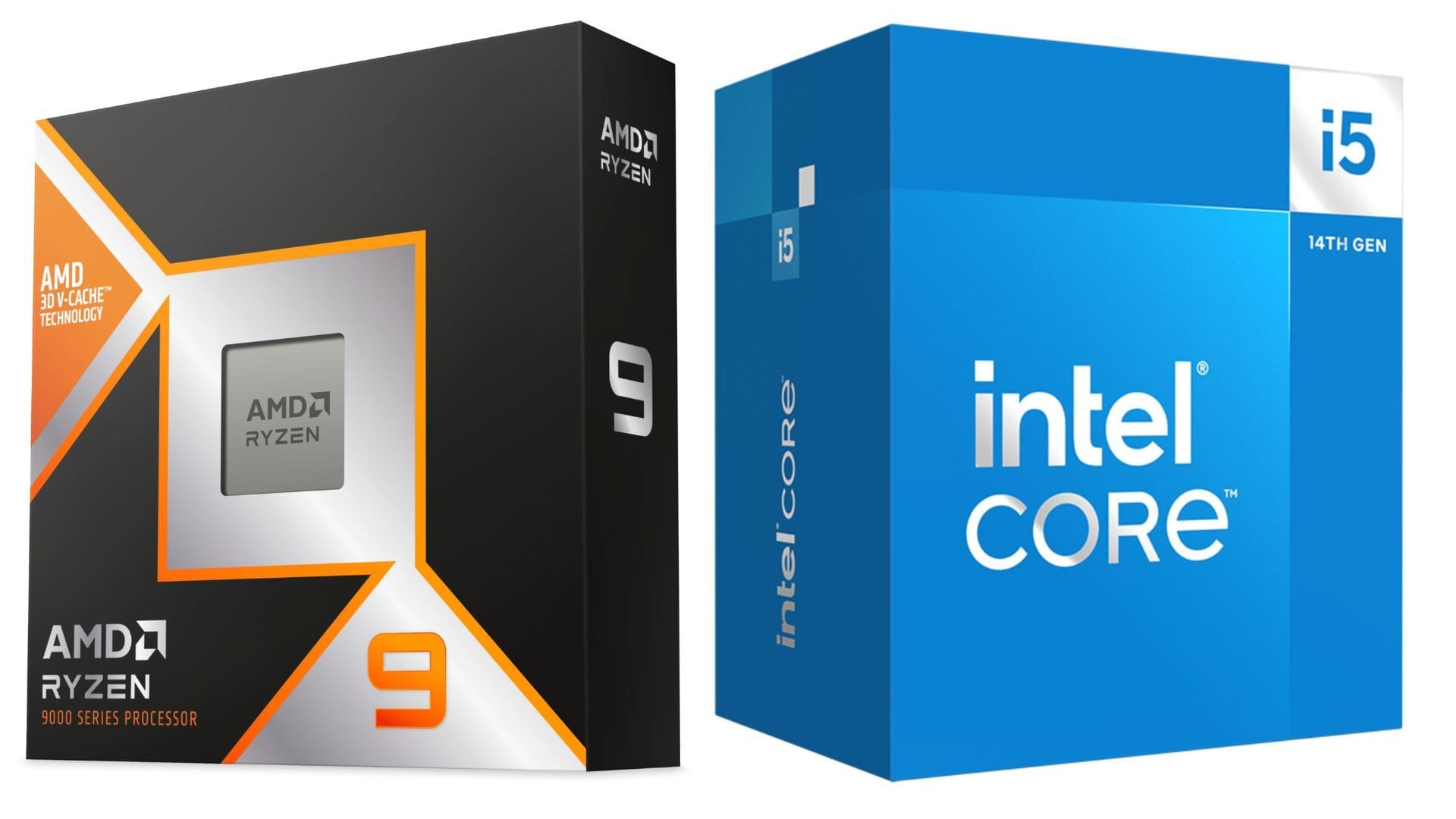
Now is the best time to buy a gaming CPU before prices shoot up this Holiday season. Across retailers and manufacturers, there have been widespread reports and expectations of upcoming hikes, especially in AMD Ryzen chips, meaning current prices could be the lowest for the foreseeable future. That said, there are several decent options in the market, from Ryzen 9000 chips to discounted Intel 14th-gen offerings that can help you save a buck.
In this article, we have listed the best gaming CPUs to consider if you're building a PC in late 2025. From budget offerings to premium ones, there's a little something for everyone.
From $150 to $700, there are great gaming CPU choices in 2025
1) AMD Ryzen 7 9800X3D
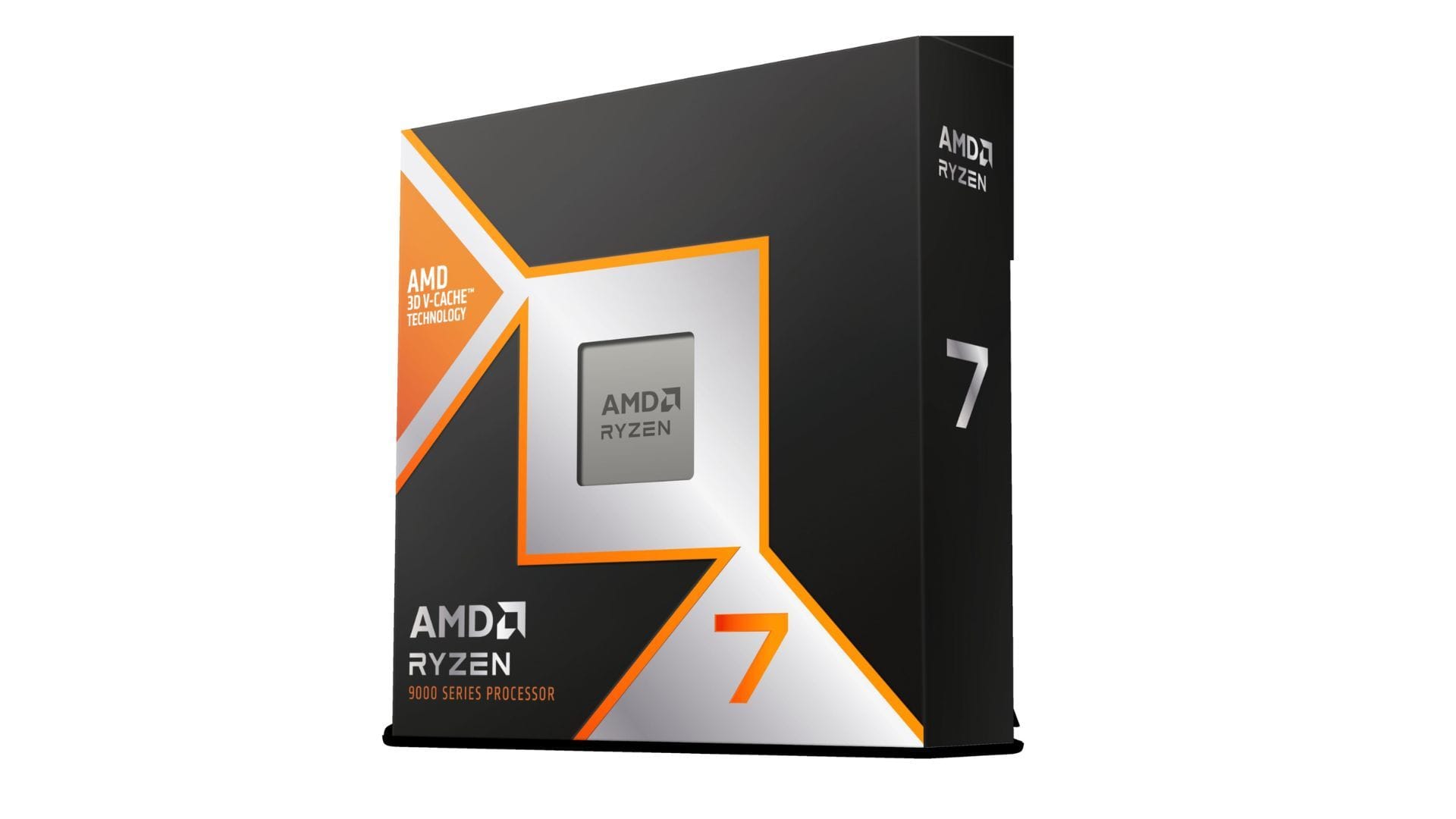
The AMD Ryzen 7 9800X3D is among the most popular gaming CPUs today, often beating some pricier chips like the 9900X and 9950X in gaming performance. With the latest Zen 5 architecture and 3D V-cache, it's designed for high-end gaming systems that don't want to compromise. Do note that productivity gains over an ordinary Ryzen 7 are small, and this chip is geared towards gaming.
 Trending
In terms of the details, you get eight cores and 16 threads. The base clock is quite high, like any other Zen 5 chip, at 4.7 GHz. In terms of the boost crew, the chip hits 5.2 GHz. The processor is quite efficient for a high-end chip, drawing 120W under full load. Overall, for pure gaming, nothing touches the 9800X3D; for hybrid use, compromises appear quickly.
Pros
- Massive 3D V-Cache boosts 1%-low numbers in gaming.
- Great for eSports and competitive games.
- It can be paired with any high-end GPU without bottlenecks.
Cons
- Only 8 cores / 16 threads despite the premium price.
- 3D-cache benefits offer gains in only select scenarios, like gaming.
2) AMD Ryzen 9 9950X3D
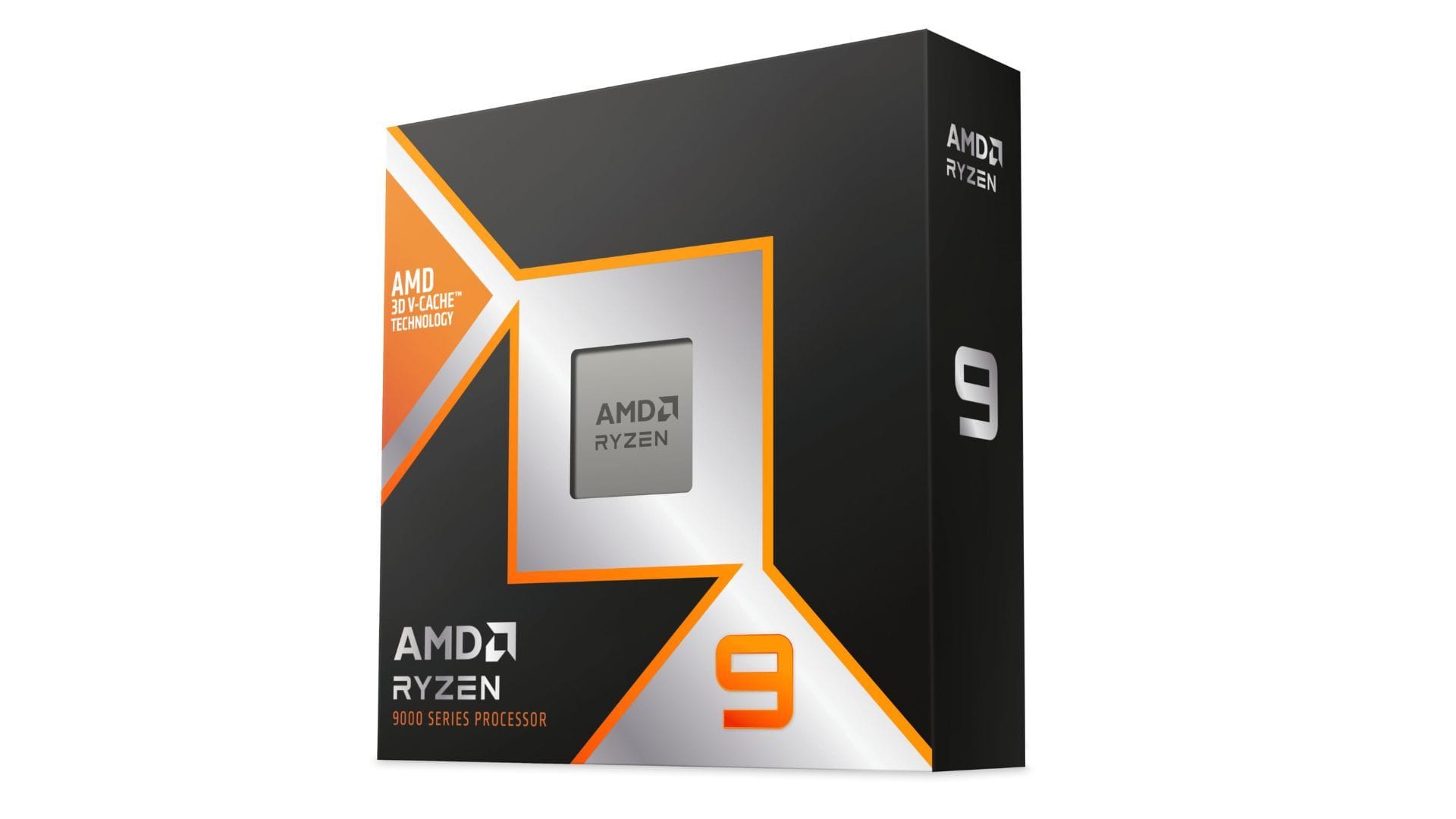
The Ryzen 9 9950X3D bundles X3D gaming performance in a workstation-class package, making it a rare gaming CPU that's ideal for both worlds. Do note that while gaming capabilities remain largely similar to the 9800X3D, this chip has the multi-core grunt to handle rendering, AI, encoding, and streaming workloads simultaneously due to the dual CCX design. At $699, however, it can be quite expensive for many.
In terms of the hardware specs, you get 16 cores and 32 threads. The gaming CPU boosts to 5.7 GHz, the highest in the market. You also get a slightly larger 3D V-cache at 128MB, versus the 96 MB buffer on the cheaper X3D chip. It draws up to 170W, maxing out the AM5 socket, however. It’s the ultimate do-everything CPU, but excessive for gaming-only rigs.
Pros
- Bundles up as an excellent workstation chip.
- Excellent for gaming + heavy workloads (rendering, content creation).
- AM5 platform + DDR5 + PCIe 5.0 gives strong future-proofing.
Cons
- It could be prohibitively expensive for many.
- Higher power draw and thermal load.
- Slight overkill for pure gaming.
3) AMD Ryzen 9 7950X
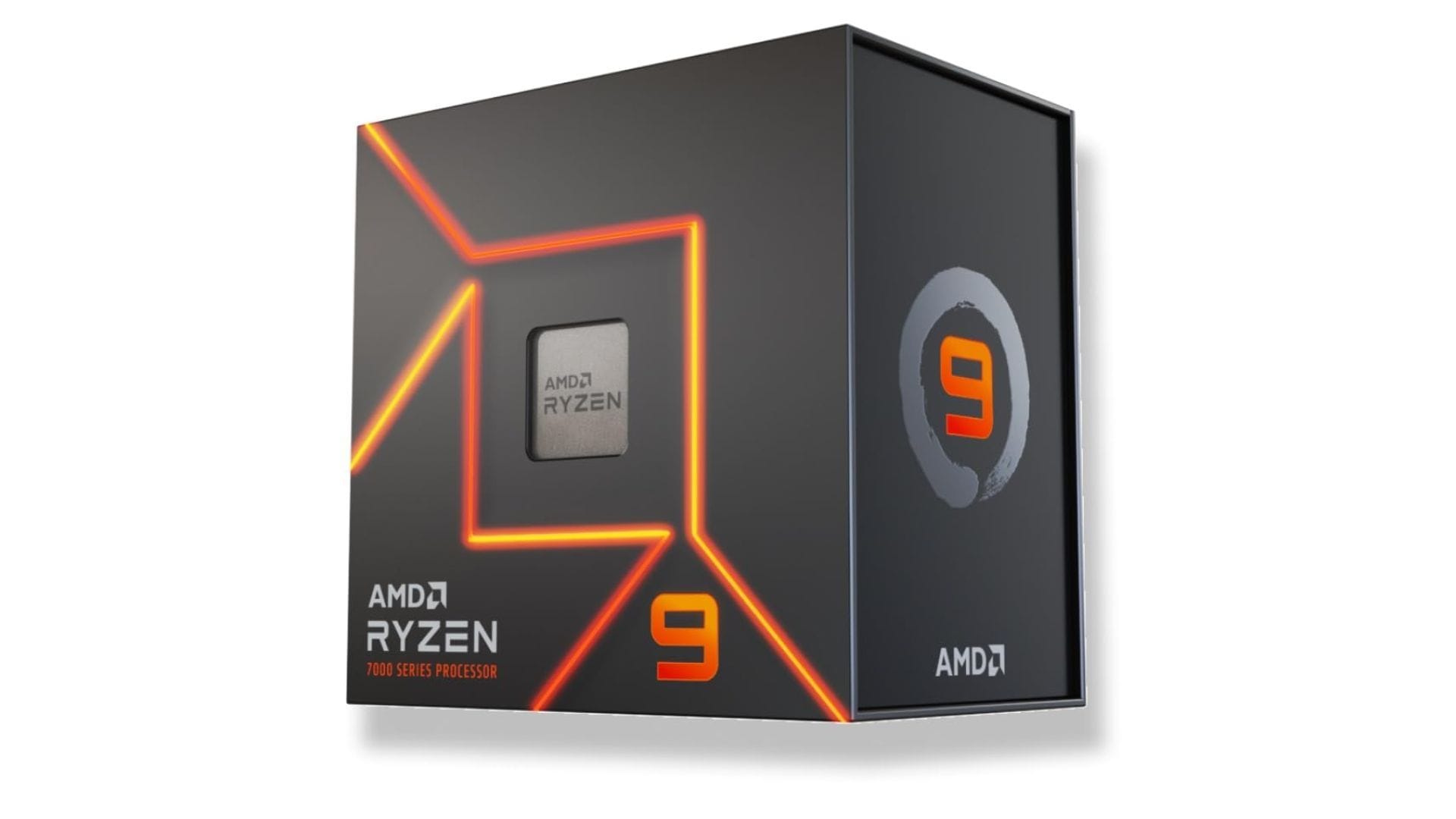
AMD’s 7950X remains a heavy-hitter for hybrid gaming-workstation gaming CPUs. However, its gaming relevance has faded next to the X3D models. You still get the 16 cores and 32 threads as the 9950X3D, the only difference being the 3D V-cache amount. The high clocks and 16 cores make it a productivity monster, with most of the gains showing up in non-gaming scenarios.
It also runs hot and draws significantly more power than newer Zen 5 X3D parts. The chip consistently draws more than the 170W-rated TDP. If you want a hybrid processor that's fantastic for work while being great at gaming for much cheaper than the 9950X3D and 9950X, this is the option.
Pros
- Same 16C/32T thread setup for less than the 9950X3D.
- Strong gaming and productivity performance make it a balanced all-rounder.
Cons
- No 3D V-cache, eliminating the gaming benefit of the 9800X3D.
- Overkill for gaming-only users.
- High power and thermal requirements.
4) Intel Core i5-14600KF
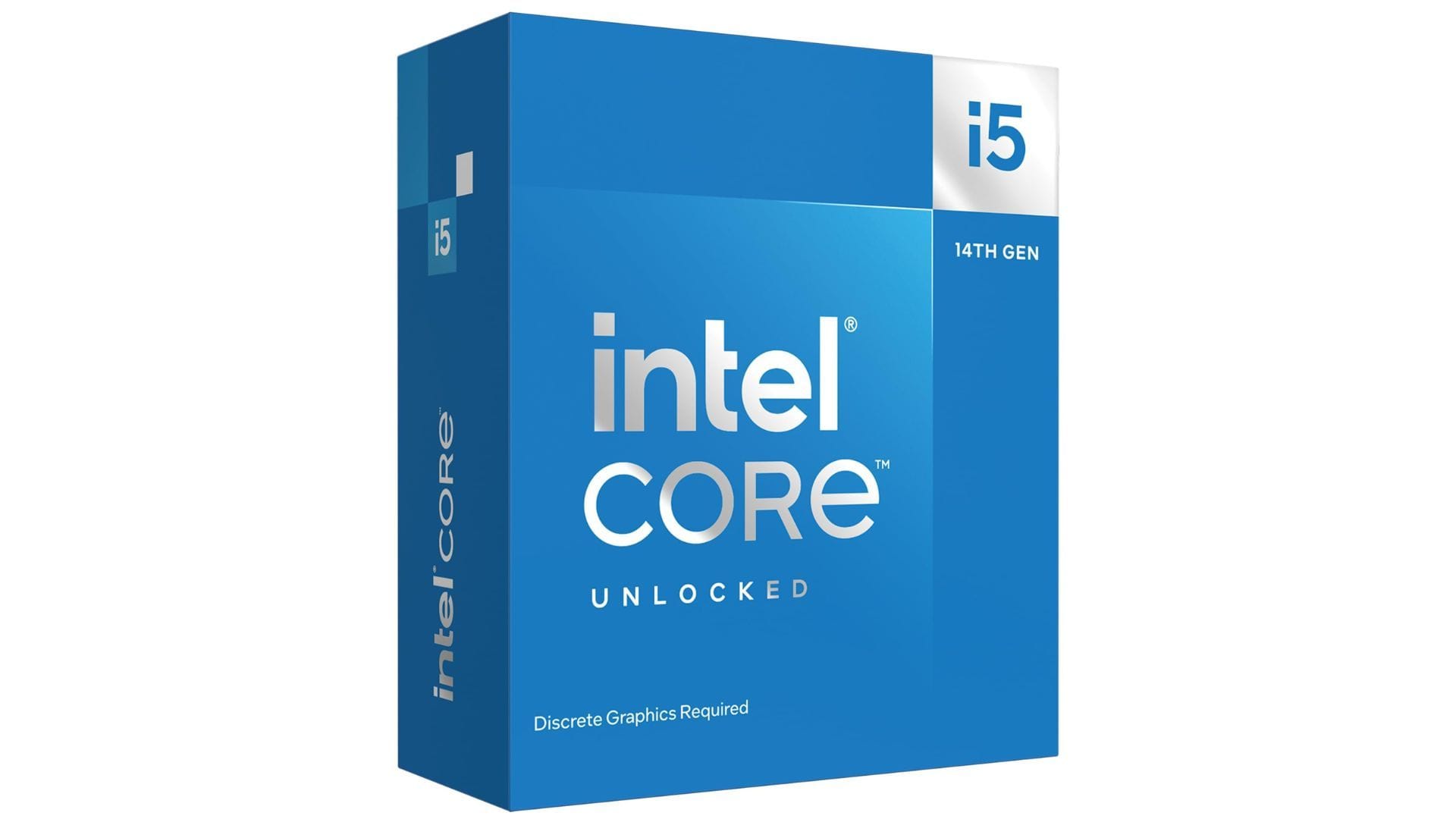
The Core i5-14600KF sits in the performance middle-ground, with enough cores for decent multitasking and decent single-core capabilities for decent gaming FPS when paired with a high-end GPU. While the chip isn't as compelling against newer AMD 3D V-cache chips, it has been discounted heavily in light of the newer Arrow Lake launches. The 'F' variant, specifically, is a value-for-money option.
The 5.3 GHz turbo helps in single-threaded games, but the chip leans heavily on power to maintain those boosts, leading to high thermals for a mid-range part. This means you'll need a decent dual-tower air cooler to maintain those boosts. The gaming CPU is ideal for gamers already on the LGA1700 platform, making the 14600KF a painless drop-in upgrade. However, for new builders, it's less convincing.
Pros
- Strong for single-threaded workloads like gaming.
- Great mid-range choice for gaming + light multitasking.
Cons
- 125 W base (and high turbo power) leads to more heat & PSU needs.
- Lacks a large cache, meaning lower 1%-low frame stability vs X3D.
- No medium-term future-proofing given the outdated platform.
5) Intel Core i5-14400
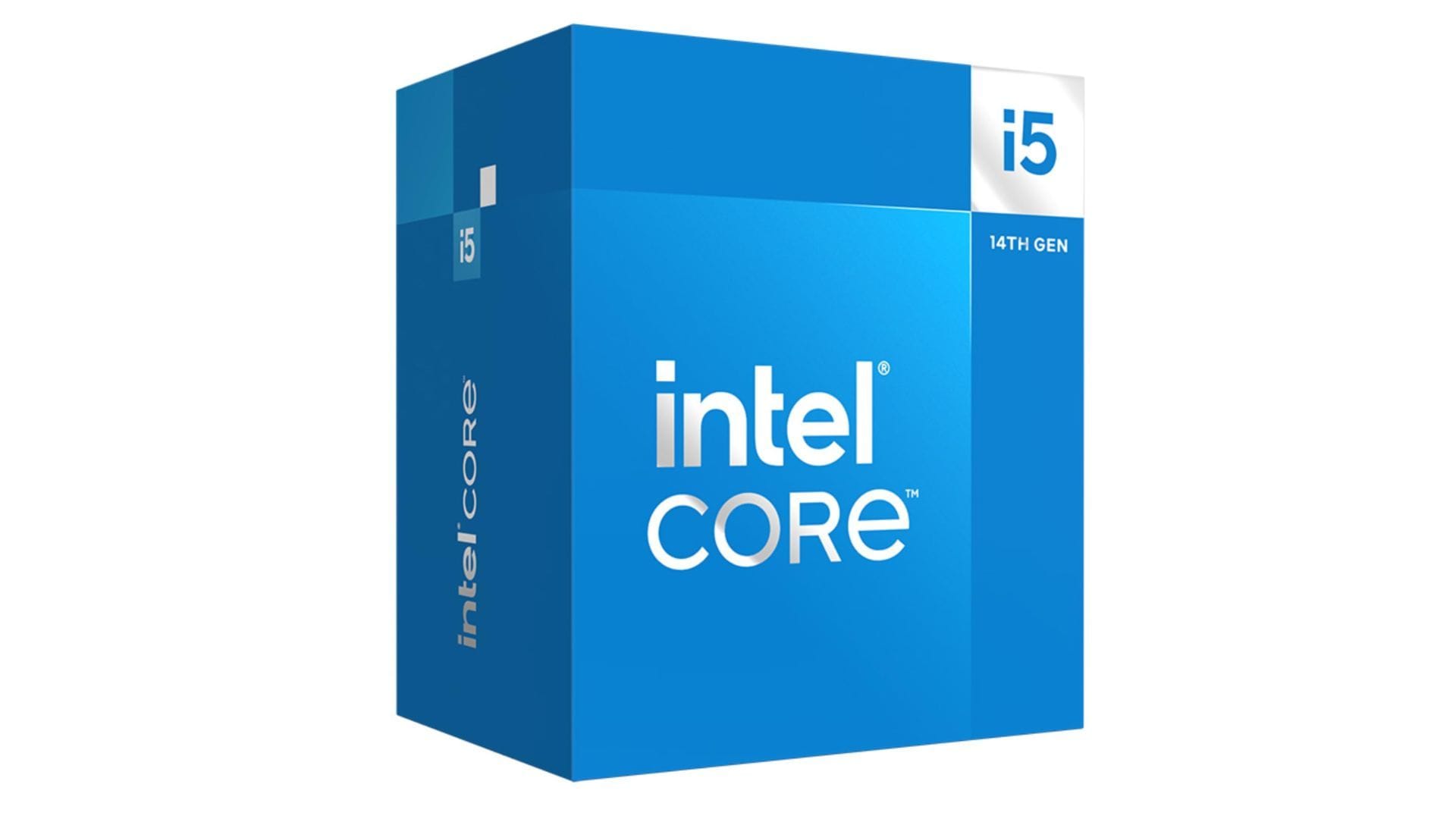
Intel’s i5-14400 is designed for the practical budget category. It's not a fancy chip with 3D V-cache and doesn't bundle overclocking support. With a more modest 10-core (6P+4E) split and decent turbo clocks, you can avoid most bottlenecks when paired with a mid-range GPU. However, the highest-end GPUs like the RTX 5080 and 5090 could expose the limits of the 14400.
This gaming CPU bundles a modest 20 MB L3 cache, and it's extremely power-efficient at 65W. However, under full load, it can draw up to 100W or more. The biggest strength of the chip is the flexibility: the 14400 can be paired with an H610 motherboard, and it supports both DDR4 and DDR5 memory, and doesn't require a high-end cooler to tame.
Pros
- Low cost yet maintains decent gaming frame rates.
- 10-core (6P + 4E) layout handles background tasks smoothly.
- Supports DDR4 and DDR5, making it ideal for budget builds.
Cons
- Gaming gains over the previous gen are marginal (~1 %).
- Less future-proof for heavy multi-core tasks or long-term.
- Might bottleneck high-end GPUs in CPU-heavy games at 1440p+.
Overall, these are some of the best gaming CPUs suited for a diverse set of use-cases: hybrid gaming and workstation PCs, budget systems, to those needing a drop-in upgrade on the existing platform. The above options offer a little of these, but you must choose based on your budget.


