
'%20x='0'%20y='0'%20height='100%25'%20width='100%25'%20%0A%20%20%20%20%20%20%20%20%20%20xlink%3Ahref='data:image/jpg;base64,/9j/2wBDAAYGBgYHBgcICAcKCwoLCg8ODAwODxYQERAREBYiFRkVFRkVIh4kHhweJB42KiYmKjY+NDI0PkxERExfWl98fKf/2wBDAQYGBgYHBgcICAcKCwoLCg8ODAwODxYQERAREBYiFRkVFRkVIh4kHhweJB42KiYmKjY+NDI0PkxERExfWl98fKf/wgARCAAGAAoDASIAAhEBAxEB/8QAFQABAQAAAAAAAAAAAAAAAAAAAAb/xAAUAQEAAAAAAAAAAAAAAAAAAAAA/9oADAMBAAIQAxAAAACyvQ//xAAgEAABBAEEAwAAAAAAAAAAAAACAQMEBQYAEhMhETJh/9oACAEBAAE/AMlxq2obuqn1No/IN2WbxNTZLnEioXQoIJ66jXOVnGYJ2JVcitip7XHvG751r//EABQRAQAAAAAAAAAAAAAAAAAAAAD/2gAIAQIBAT8Af//EABQRAQAAAAAAAAAAAAAAAAAAAAD/2gAIAQMBAT8Af//Z'%3E%3C/image%3E%3C/svg%3E)

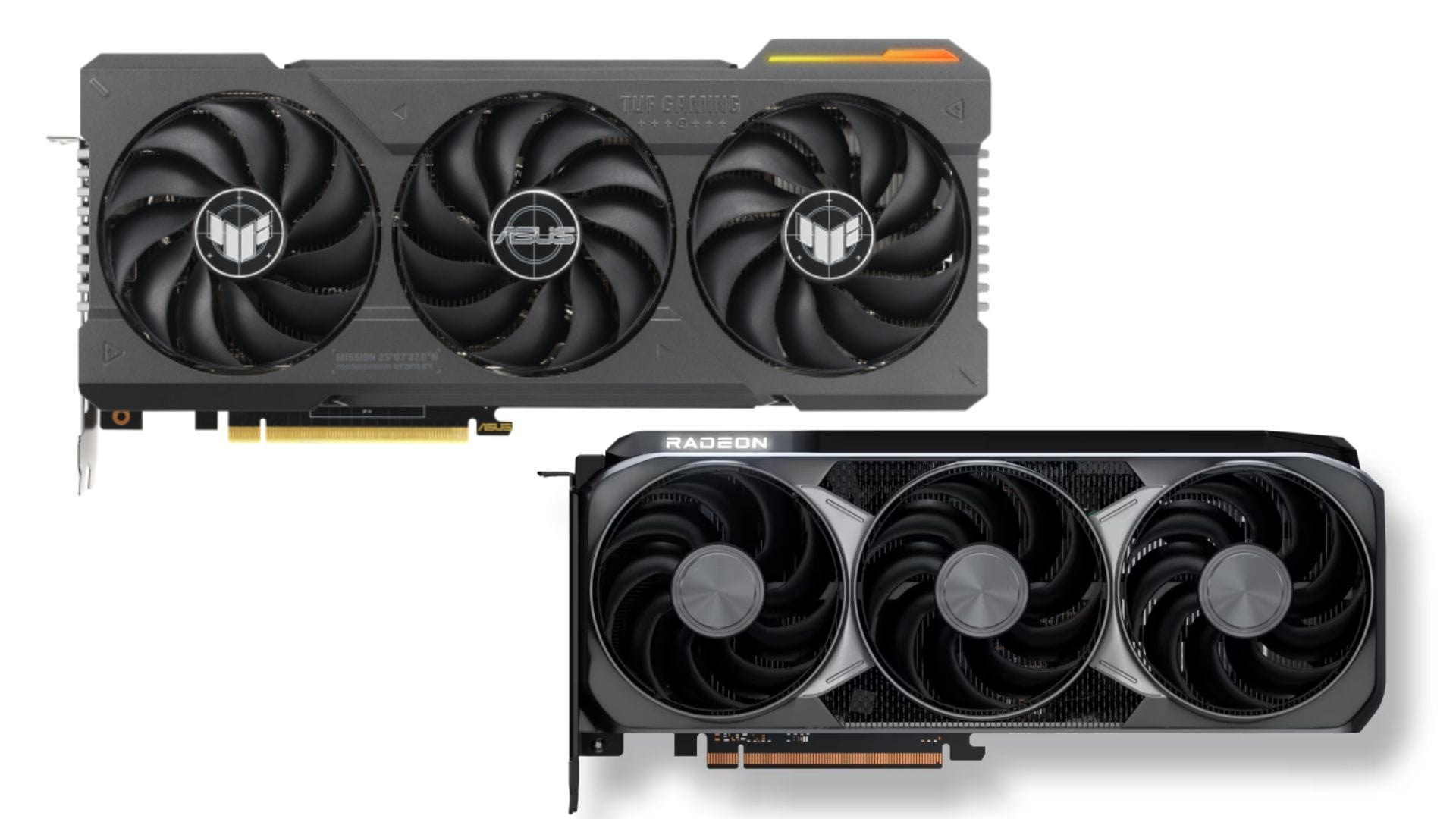
4K gaming has become easier than ever. Even with mid-range video cards, you can get playable framerates in the latest titles without many performance hiccups. This is specifically possible given how good super-resolution and frame generation technologies have gotten. With GPU prices having hit record lows this Holiday season, now is the best time to snag a deal before price inflation hits graphics cards.
In this article, we have listed several options that could be worth your cash in late 2025. There's something for everyone, starting at $250 to $799 GPUs.
4K gaming graphics cards are available at varied price points in late 2025
1) Intel Arc B580
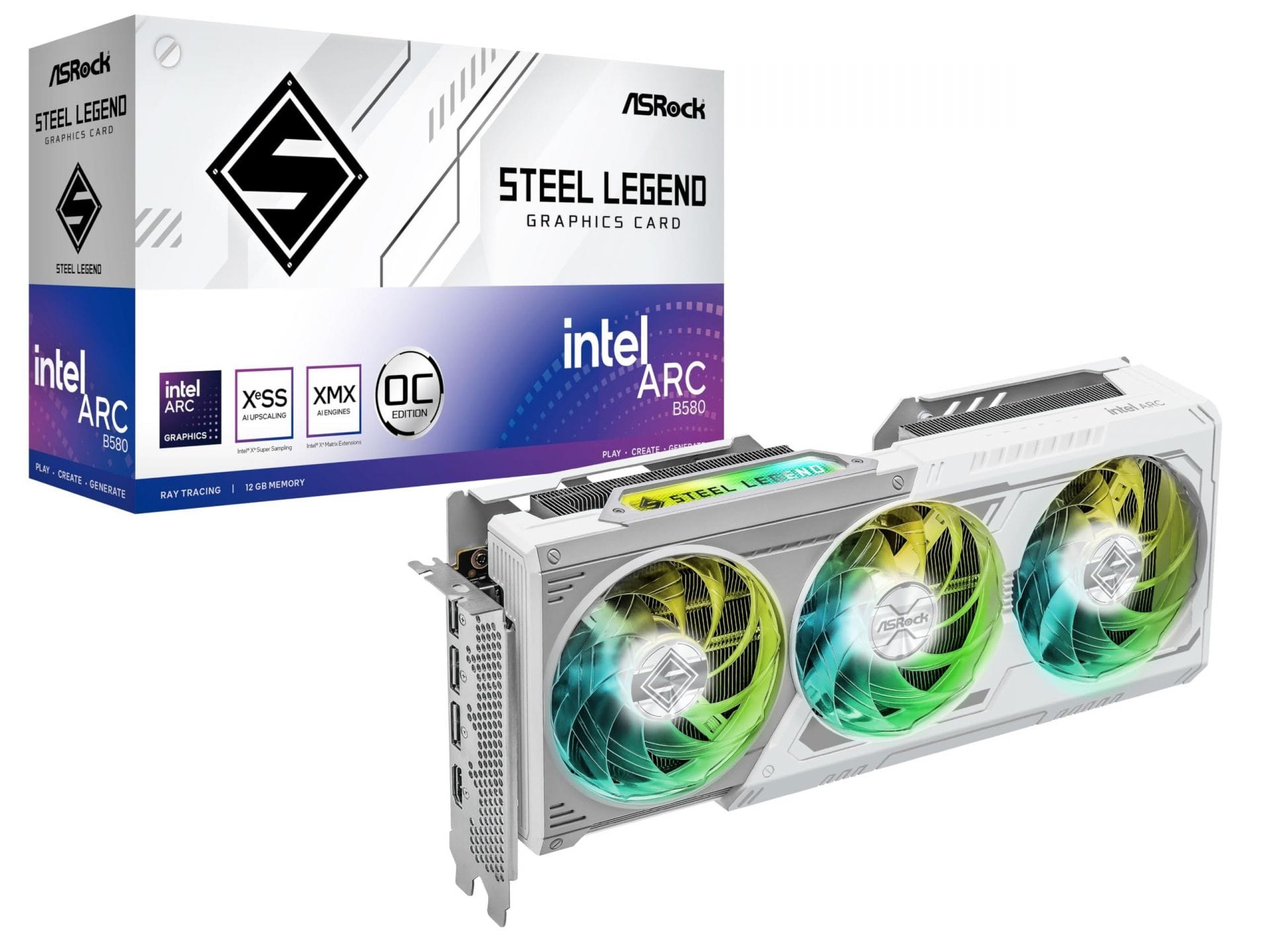
The Intel Arc B580 is among the cheapest current-gen graphics cards. It's designed for 1080p gaming, but holds quite well at higher resolutions with AMD FSR. Most importantly, for a sub-$300 budget, this is the best option to play at UHD. It got 12 GB GDDR6 RAM, 50% more than its competitors, alongside a beefed-up hardware sheet under the hood to push higher FPS than the RTX 5060 and RX 9060.
 Trending
Technically, it's based on the BMG-G21 graphics chip. You get 20 Xe cores with 2,560 shaders, besides a 192-bit memory bus for the 12 GB buffer, which cumulates in a 456.0 GB/s bandwidth. In terms of raw rendering potential, this makes the card faster than the RTX 5050 and a bit slower RTX 4060, while costing less than both.
Pros
- 12GB VRAM is rare at budget pricing.
- Good RT strength versus similarly priced GPUs.
- AV1 encode quality beats Nvidia and AMD.
Cons
- Shader compilation stutter is still frequently reported.
- Performance swings wildly between different engines.
- High power draw is unfavorable for its performance.
2) AMD Radeon RX 9060 XT 16GB
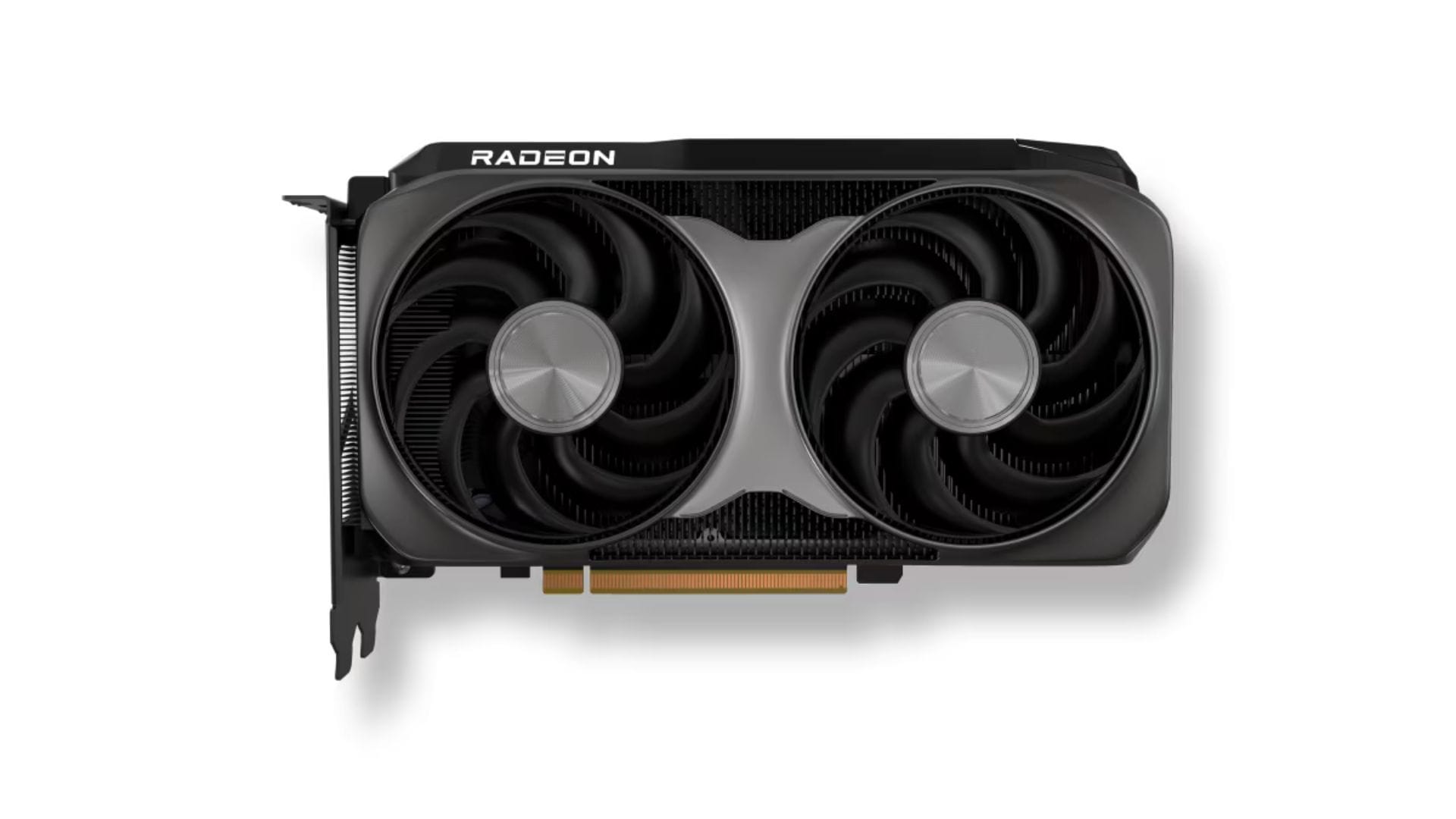
The AMD Radeon RX 9060 XT isn't technically a 4K gaming GPU; however, it can hold its ground pretty well if you're on a budget. The card has everything you need: frame generation, AMD FSR, 16 GB of GDDR6 memory, and a $330 price tag.
In terms of the underlying hardware, you get the cut-down Navi 44 graphics chip, 32 Compute Units, 2048 Shading Units, and 32 Ray Accelerators. These numbers are far behind the higher-end 9070 XT or Nvidia's 70-class offerings. However, at about half the price, the card holds its ground quite well in the latest titles.
Pros
- Exceptional price-to-performance for 1440p.
- Low power consumption in real workloads.
- Large VRAM helps future game textures.
Cons
- Struggles with ray tracing at 4K.
- Driver polish is inconsistent at launch.
- FSR still trails DLSS image stability.
3) AMD Radeon RX 9070 XT
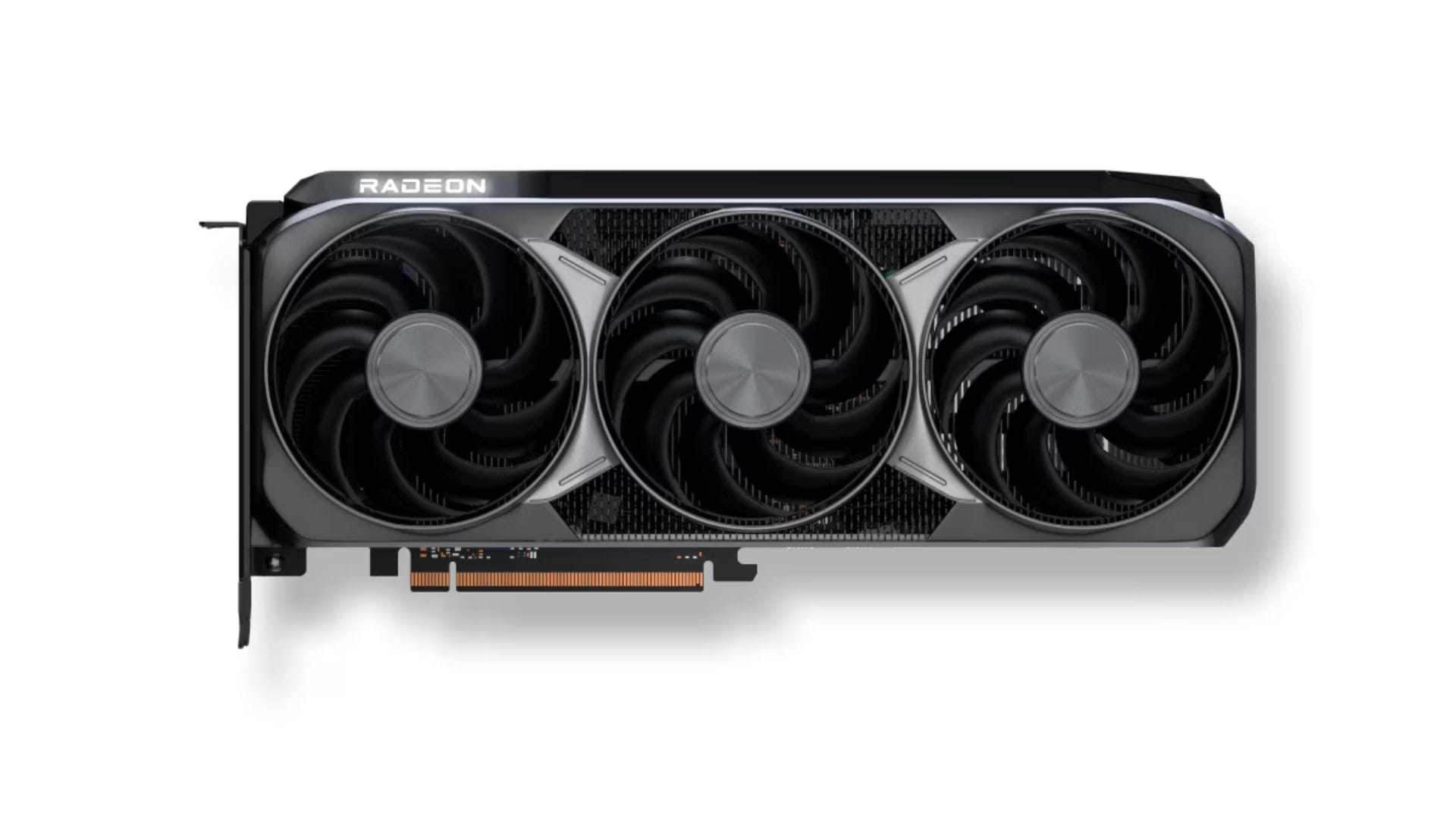
The Radeon RX 9070 XT is one of the hottest 4K gaming GPUs in late 2025. While it's placed in the mid-premium segment with a $599 price (which doesn't make it a true "flagship" GPU), the GPU is designed for strong 4K performance in the latest AAA games. You won't have to dial down most of the settings in the latest releases either, which makes it one of the top options in 2025.
Ray tracing, upscaling, and frame generation remain weak points, which means the card can only be competitive over 70-class video cards. At native resolution, with ray tracing turned off and FSR, you can get smooth frame rates. Its 16 GB VRAM gives it another strength over the 5070 12 GB. In a word, the card's biggest strength is the 4K raster performance, but what its not clear is its limitations.
Pros
- Strong raster makes it better than last-gen RTX 40 series GPUs.
- 16GB VRAM avoids modern texture bottlenecks.
- Cooler load temps than comparable Nvidia cards.
Cons
- Heavy ray tracing drops frames sharply.
- FSR motion stability is still visibly inconsistent.
- High 304W draw mandates a quality PSU.
4) NVIDIA GeForce RTX 5070
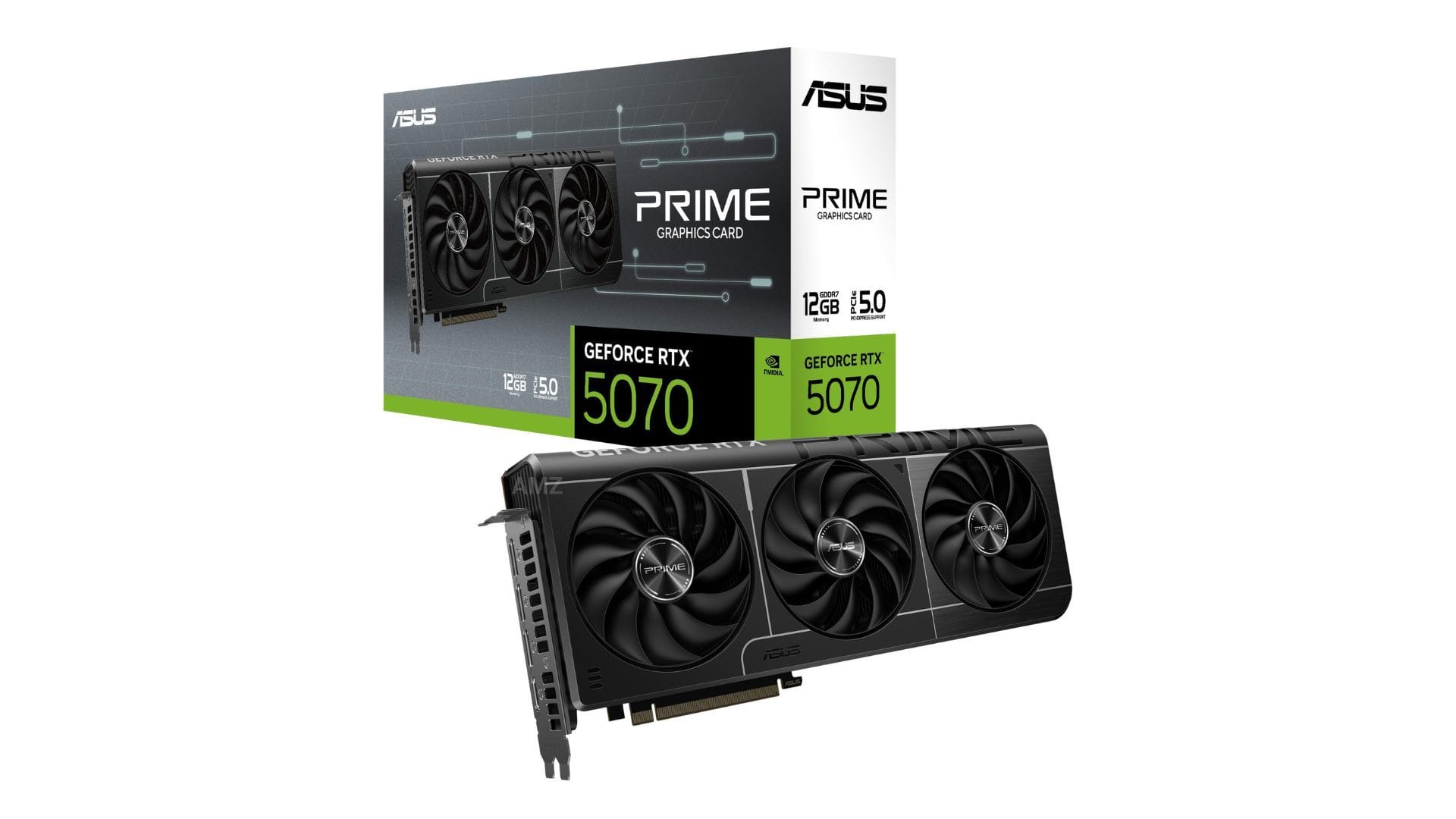
The RTX 5070 can technically handle 4K gaming, given DLSS Multi-Frame Generation and improved rasterization capabilities. The latest Blackwell architecture is designed for efficiency, making gaming at UHD more possible than ever on a mid-range card. The GB205 graphics chip has been upgraded over the past few generations: it now packs 15% more CUDA cores and faster GDDR7 VRAM.
Much like the RX 9070 XT, expect hiccups. The 12GB VRAM and 192-bit bus create pressure in modern titles like Horizon Forbidden West and Alan Wake 2. The key is that you'll need to consistently rely on upscaling and multi-frame generation to hit high FPS, quite like how Jensen Huang introduced it at CES 2025.
Pros
- DLSS Frame Gen boosts FPS in demanding 4K games.
- Lower wattage than 4070-class Ada boards.
- Idle power is finally reasonable versus Ada's predecessors.
Cons
- 12GB VRAM hits limits in 4K.
- Narrow 192-bit bus keeps bandwidth limited despite the GDDR7 standard.
- The $549 pricing undercuts its value positioning.
5) NVIDIA GeForce RTX 4070 Ti Super
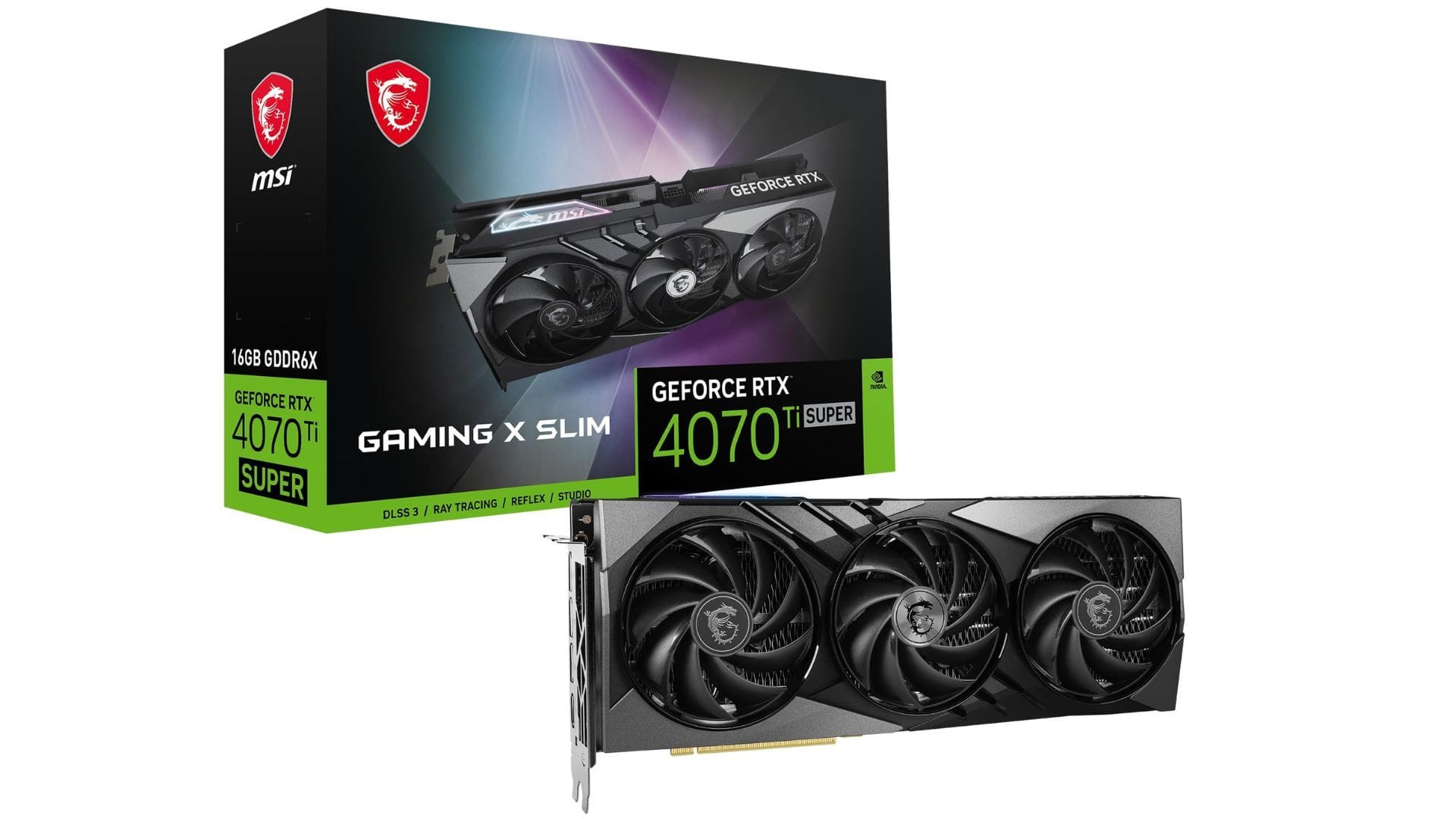
The 4070 Ti Super is still the “entry point” for 4K gaming without major performance hiccups. In most titles, given its beefy underlying AD103 chip and 16 GB of VRAM, you can expect stable 60–120 FPS with DLSS. Frame generation is still available on the last generation of cards, which helps add extra shelf life to high-end Ada entries.
The card was launched at a hefty $799, and can be bought for about the same price these days. The best deals are in the used market and smaller retailers with leftover stock, making it an absolute value-for-money graphics card for 4K gaming.
Pros
- Excellent 4K output with DLSS support.
- Strong ray tracing across demanding games.
- Good power draw for performance tier.
Cons
- High launch pricing hurts the value proposition.
- Memory bandwidth occasionally bottlenecks performance.
- Ada generation aging against the newer Blackwell.
Overall, these are some value-for-money 4K gaming graphics cards in the market. We haven't listed the obvious but costly options like the RTX 5080 and 5090, instead taking the opportunity to highlight some underdogs.


