
'%20x='0'%20y='0'%20height='100%25'%20width='100%25'%20%0A%20%20%20%20%20%20%20%20%20%20xlink%3Ahref='data:image/jpg;base64,/9j/2wBDAAYGBgYHBgcICAcKCwoLCg8ODAwODxYQERAREBYiFRkVFRkVIh4kHhweJB42KiYmKjY+NDI0PkxERExfWl98fKf/2wBDAQYGBgYHBgcICAcKCwoLCg8ODAwODxYQERAREBYiFRkVFRkVIh4kHhweJB42KiYmKjY+NDI0PkxERExfWl98fKf/wgARCAAGAAoDASIAAhEBAxEB/8QAFgABAQEAAAAAAAAAAAAAAAAAAAYH/8QAFQEBAQAAAAAAAAAAAAAAAAAAAgP/2gAMAwEAAhADEAAAAMWigU//xAAcEAACAwEAAwAAAAAAAAAAAAABAwQFEQACIcH/2gAIAQEAAT8Ap7qvj0k+E+rW57jqpBPtejDx8Dpz73//xAAVEQEBAAAAAAAAAAAAAAAAAAABAP/aAAgBAgEBPwAAb//EABkRAQACAwAAAAAAAAAAAAAAAAEAAiExwf/aAAgBAwEBPwBVrl08n//Z'%3E%3C/image%3E%3C/svg%3E)

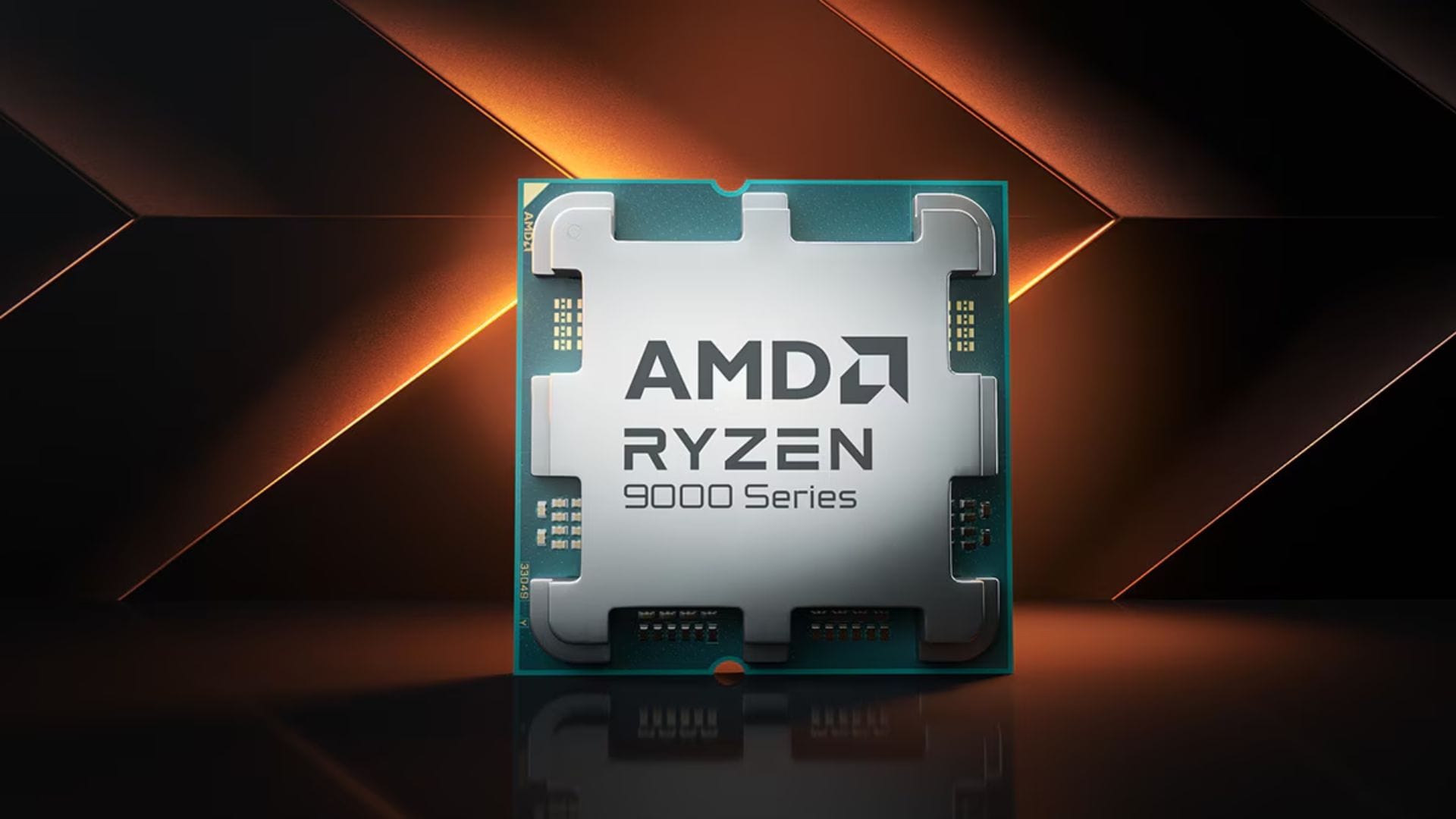
Reports have confirmed that AMD Ryzen price hikes will take effect at midnight, December 1. This hike will be implemented at the distributor level, affecting all future shipments. We don't have an exact percentage of price increase for each chip, but experts suggest the rise will be subtler than the ongoing price increases for DDR5 RAM.
While AMD hasn't confirmed why the price hikes are going into effect before the holidays, we can make a few educated guesses based on current market trends and Ryzen's market position.
Note: The reasons listed in this article are speculative. Reader discretion is advised.
Why are AMD Ryzen prices being hiked?
The most speculated reason for the price hike is that wafer and packaging costs are quietly increasing. This includes TSMC, substrates, and CoWoS availability. Over the past year, TSMC has raised prices on several process nodes. This includes the 4nm node on which AMD Ryzen 9000 is based, as well as older process nodes, which explains the homogeneous hikes across several generations of AMD chips.
 Trending
Even if AMD hasn’t officially announced these possibilities, the retailer-level move could specifically hint at 4nm and 5nm wafer allocations used across most currently stocked chips. Moreover, forecasts for tighter supply and reduced front-running demand for Q1 2026 could be a solid reason for the hikes. The price hikes could be a reason to soften demand and sustain profit margins.
This is quite true given the RAM price hikes, which directly impact sales for both CPUs and motherboards. Furthermore, it is possible that Zen 5 yields are improving more slowly than projected, which would be explained in an upcoming profit report.
Note that AMD Ryzen 7000 and 9000 chips have been at a solid discount for months now. The processors have given Intel processors a solid run for their money, winning almost every comparison in terms of value for money. For the most part, the price increase would be just a "return to normal." The price hike could be to project margins after promotions flooded the Q4 period for the Holidays.
It's impossible to deny the rising DRAM and NAND prices and their effects on AMD chips. DDR5 RAM is currently selling at four to five times its original MSRPs, and AMD could be taking advantage of consumers blaming RAM. As users on forums have pointed out, AMD price lifts could go under the radar, given the system memory pricing situation.
Given Intel's struggling scenario, AMD Ryzen has little reason to continue offering lower prices. There could be a solid reason Team Red believes Ryzen 9000 and upcoming X3D models will clearly lead Intel’s Arrow Lake lineup; they may be preparing a price-tier realignment. This price hike could be just a move of confidence in Ryzen's market situation.
Note that the price hikes will not be immediately reflected. It's mostly being implemented at the distributor level. Until current stocks last, you'll still be getting the lowest prices on AMD Ryzen chips, especially during the Black Friday and Cyber Monday deals. However, the prices are expected to rise within a week or two as stocks are replenished.
If you want to snag a new chip or GPU, now is the best time. There are rumors that upcoming Radeon and RTX cards are also getting more expensive, making this a rocky moment in the PC building industry.


